Must-visit places
A brief presentation of the sites to visit in Montenegro
The Bay of Kotor, also known as Boka Kotorska
Natural treasure of Montenegro, UNESCO World Heritage Site
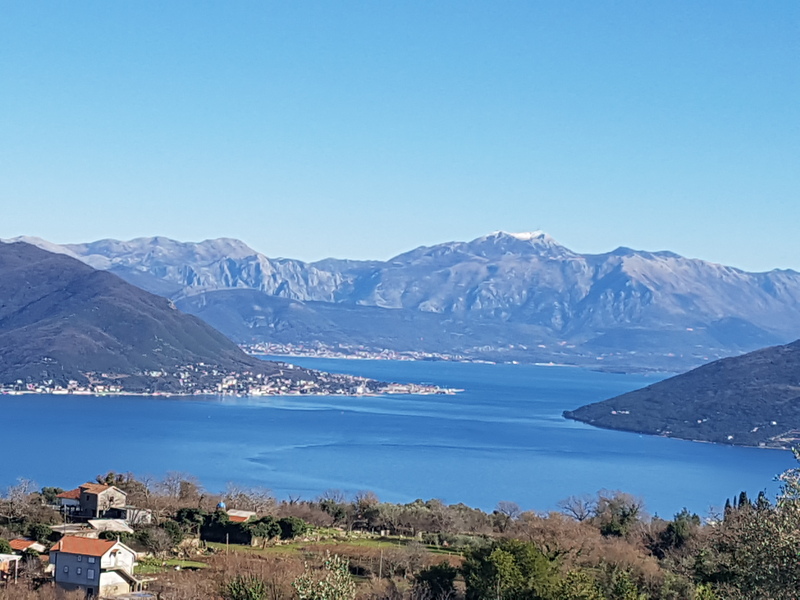
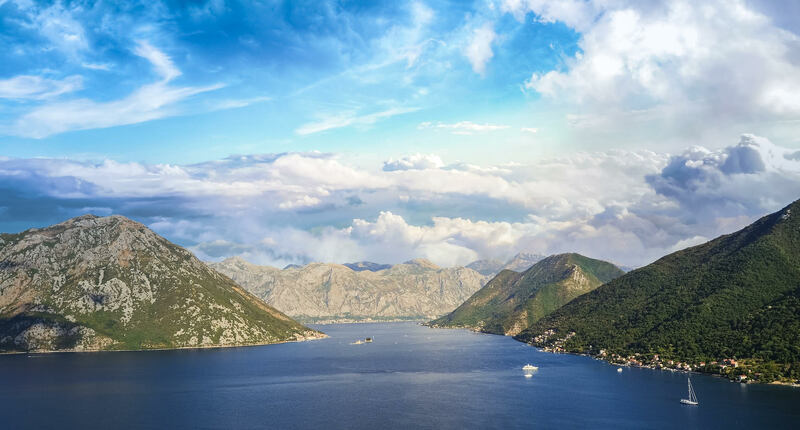
40 minutes from Dubrovnik, you will find the town of Herceg Novi, where the longest "fjord" in the Mediterranean opens up. The Bay of Kotor, just for the beauty of its landscapes, is worth a trip to Montenegro.
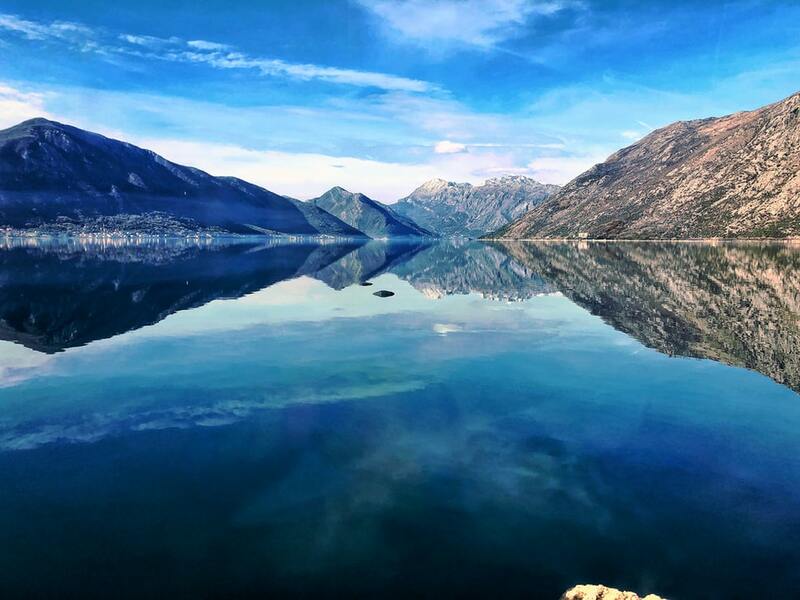
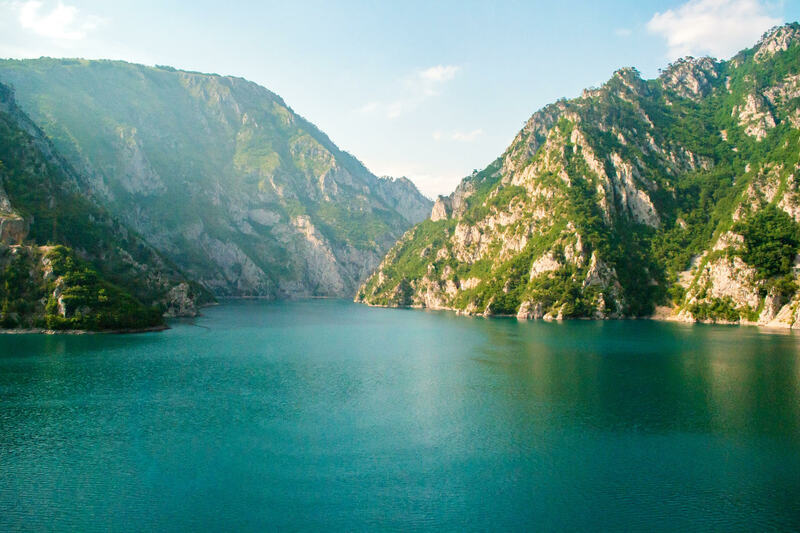
The Bay of Kotor forms a bay of about 30 km resembling a fjord, even if the term is not entirely accurate. It is actually a submerged canyon. The bay is divided into 4 municipalities to visit during your stay in Montenegro: Herceg Novi, Perast, Kotor, and Tivat.
Regardless of how you arrive, by car, plane, or boat, the arrival in the Bay of Kotor will leave you with an incomparable and unforgettable memory!
Herceg Novi
Herceg Novi, the garden city of Montenegro, is located at the entrance to the Bay of Kotor.
This renowned Montenegrin seaside resort, known for its thermal center, enjoys an exceptional setting on the Adriatic coast. Due to its location, the climate is particularly pleasant. Herceg Novi benefits from one or two additional degrees compared to the rest of the bay. Its advantageous position allows it to receive more sunlight as clouds do not linger over the mountains.
Its lush vegetation, composed of bougainvillea, magnolias, cacti, agaves, eucalyptus, and pomegranate trees, bears witness to a significant maritime past. This natural botanical garden attracts many artists for its pleasant way of life.
Very convenient for arrivals at Tivat or Dubrovnik airport, this city founded in the 14th century by the Bosnian king Tvrtko offers multiple advantages for an excellent vacation in Montenegro, including outings, heritage, relaxation, and visits to the Bay of Kotor.
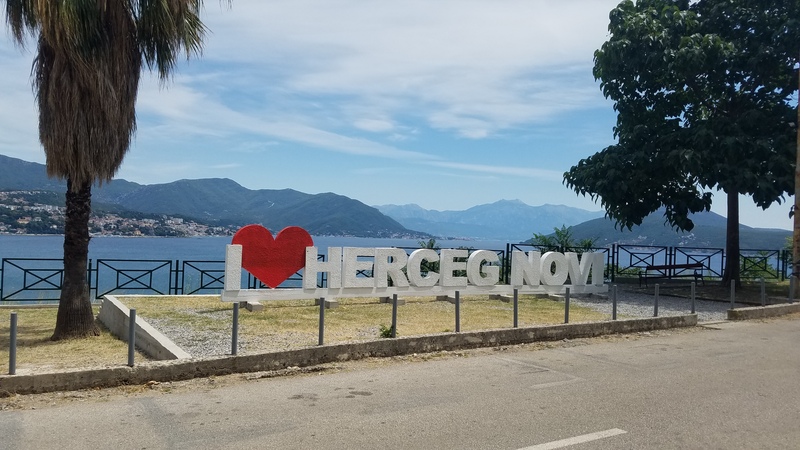
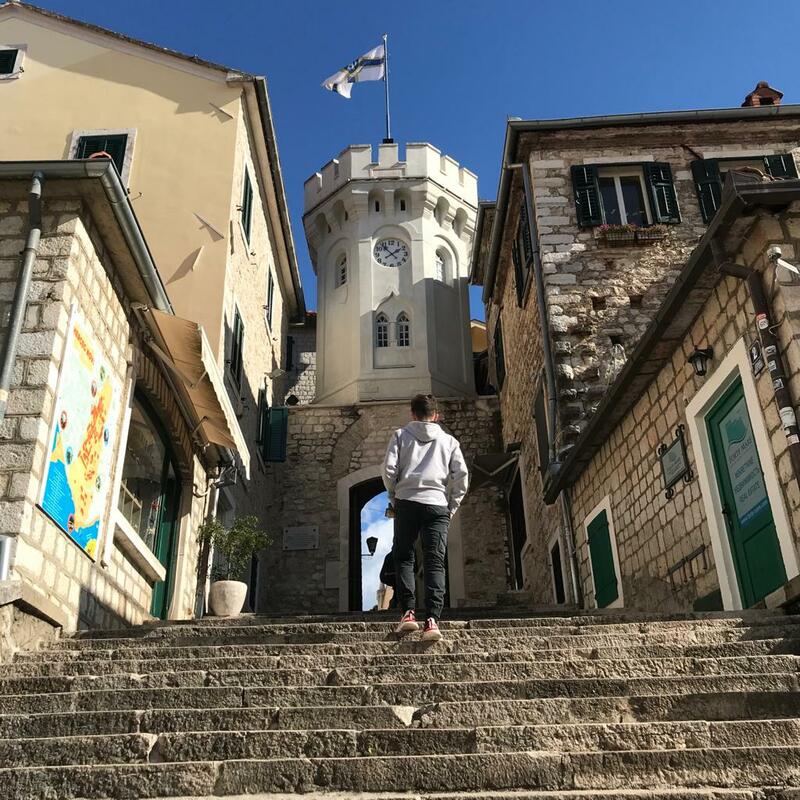
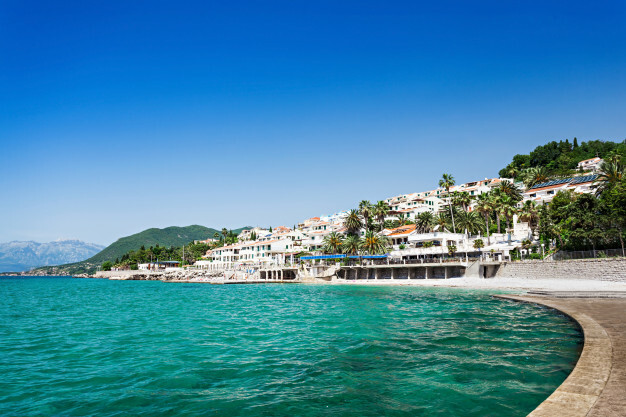
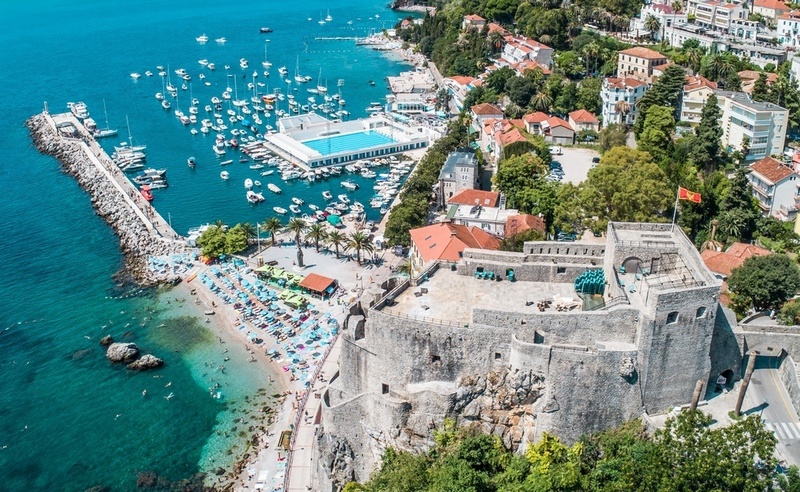
Herceg Novi was successively occupied by the Turks, the Spaniards, the Venetians, and the Austrians, giving it a rich heritage. It still bears the marks of this tumultuous past through its architecture, numerous small squares connected by narrow alleys. The city was known by different names such as Castrum Novum and Castel Nuevo before finally being called Herceg Novi.
Initially conquered by the Turks in the 15th century, the Spaniards briefly took control from 1538 to 1539 and decided to strengthen the existing fortifications.
In 1687, the Venetians helped the Montenegrins to drive out the Turks from the city, which then came under the domination of Venice.
In the 18th and 19th centuries, the Austrians (1797-1806), Russians (1806-1807), French (1807-1813), and English disputed the small city.
In 1923, it was annexed to the Kingdom of Yugoslavia.
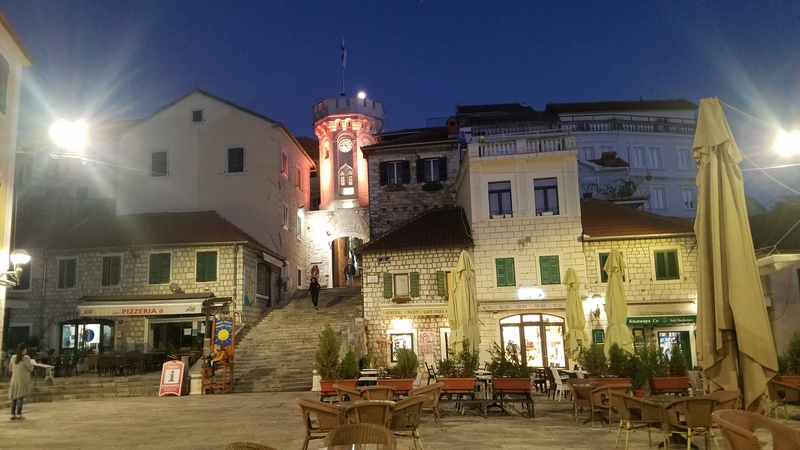
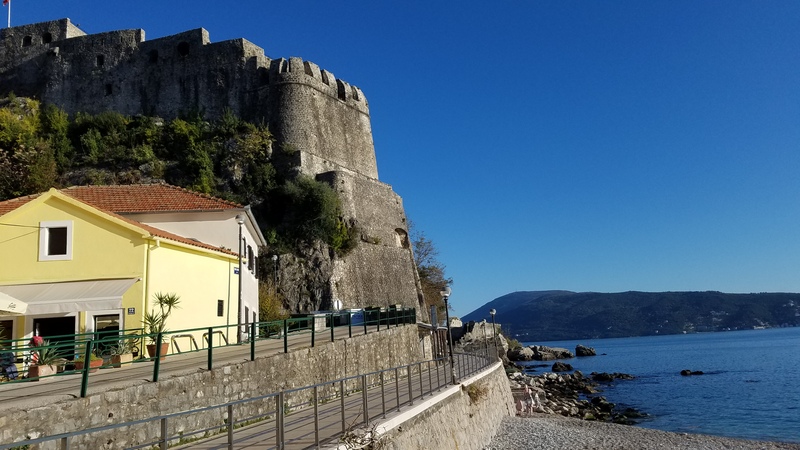
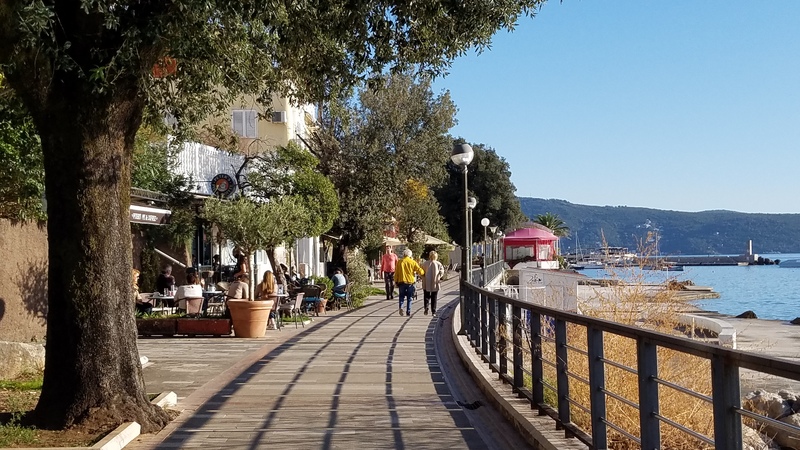
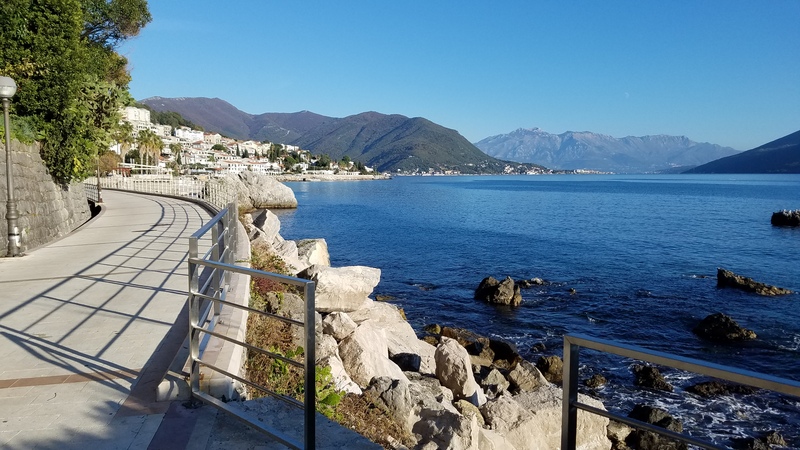
Herceg Novi, one of the most pleasant resorts in Montenegro
The Riviera of Herceg Novi is worth a visit if you are on vacation in the Bay of Kotor.
It is an ideal place to stay to escape for a few hours to Dubrovnik.
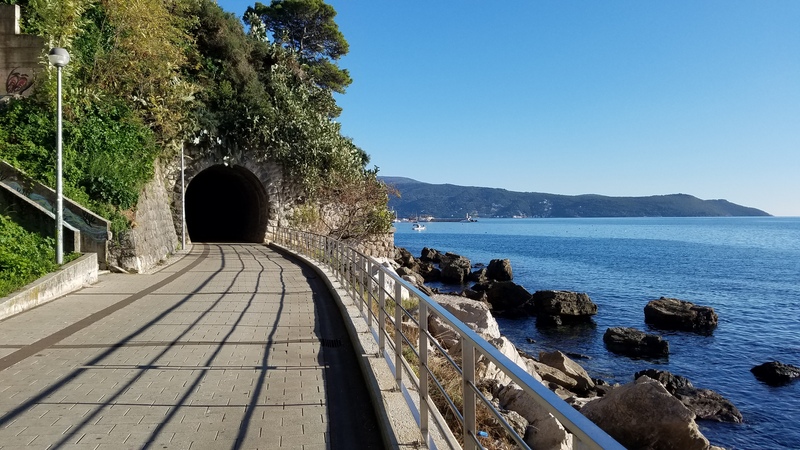
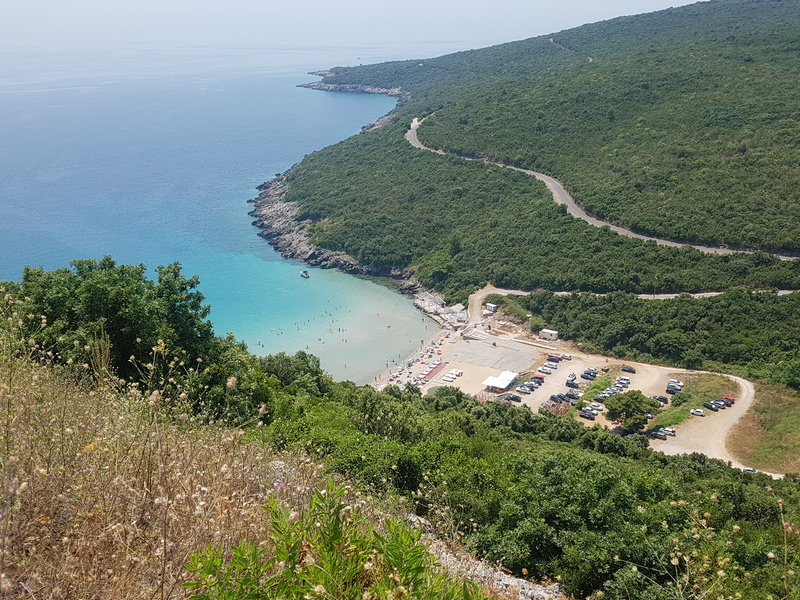
When it comes to beaches, there is something for every taste. One of the beaches in Igalo, with its fine sand, is perfect for young children due to its gentle slope and the scarcity of waves. You can also enjoy many other beaches in Herceg Novi, Topla, Savina, with sand or pebbles, while strolling on the "promenade" (6 km), which was the old railway line transformed into a pedestrian walkway lined with various shops, bars, and restaurants.
Stroll leisurely while contemplating the beautiful landscape in safety and tranquility.
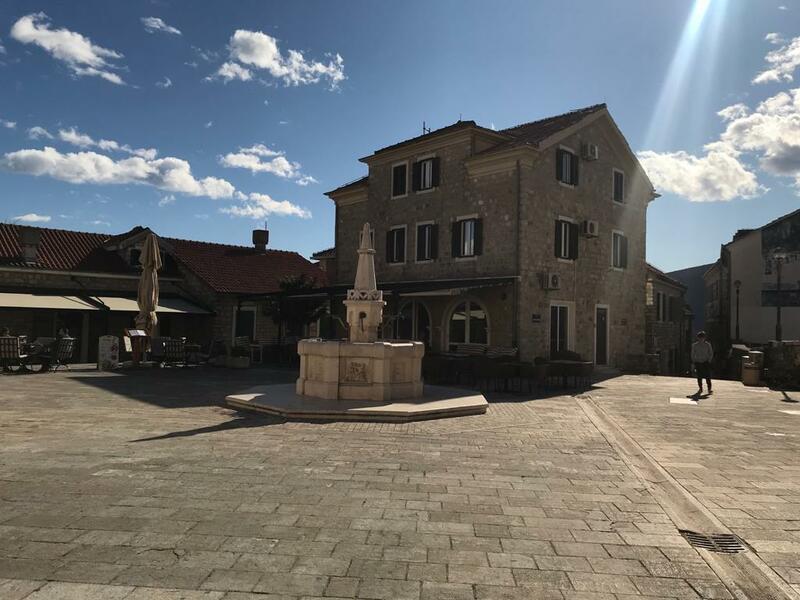
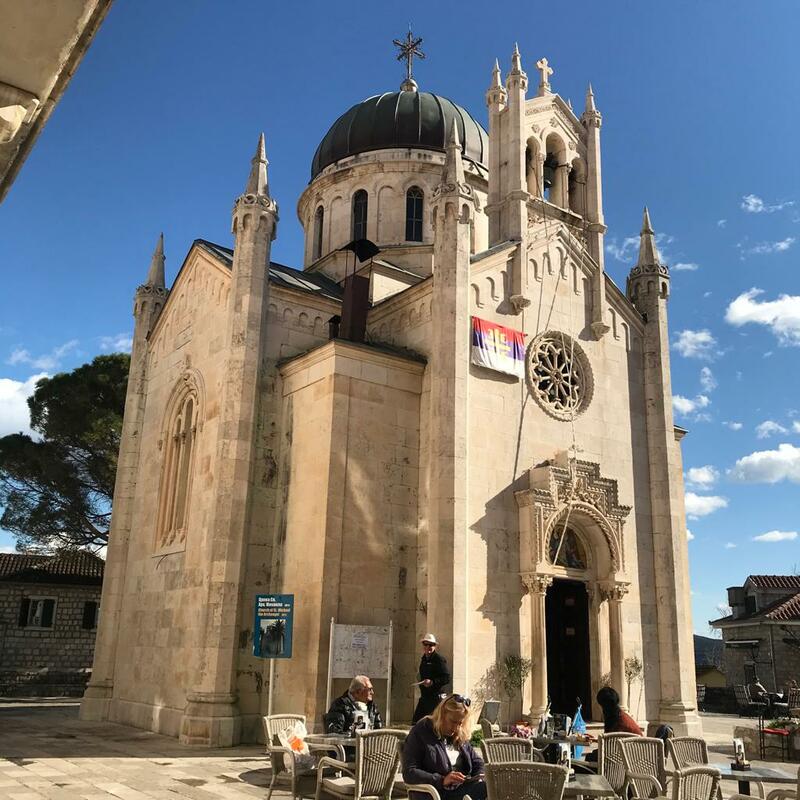
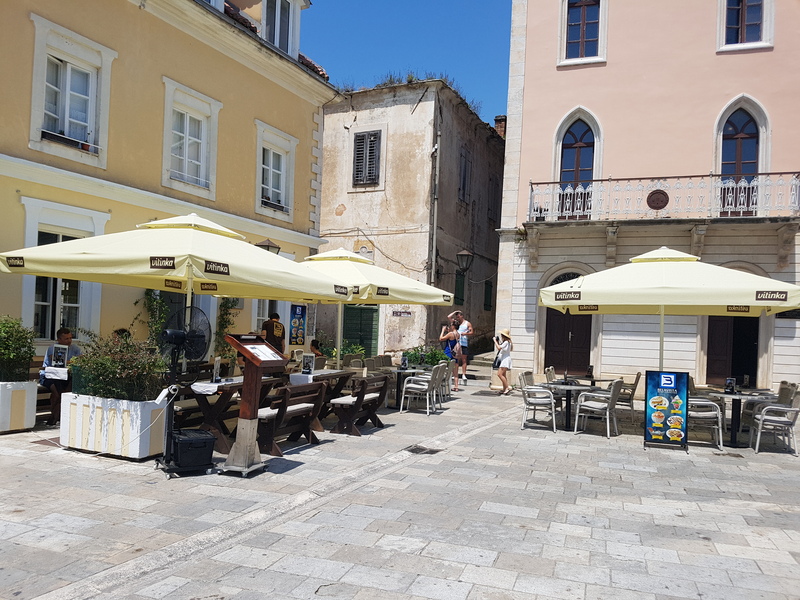
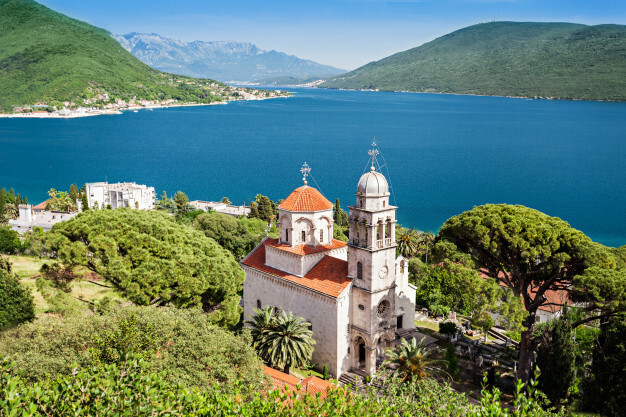
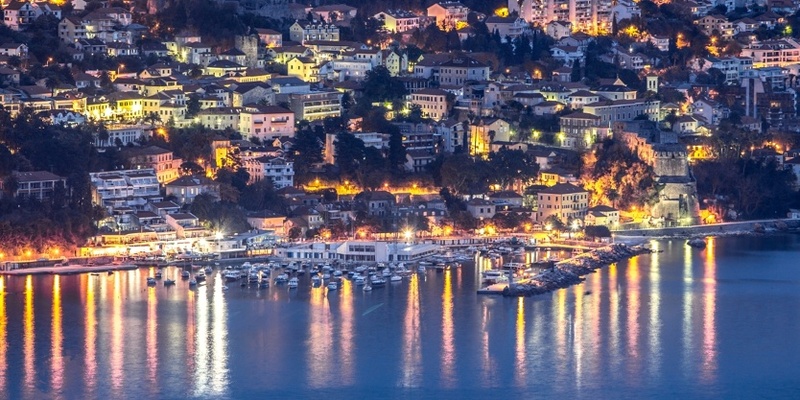
Herceg Novi possesses numerous heritage treasures
The Orthodox monastery of Savina, built in the 16th century.
The botanical garden, the historical museum, the old town, the clock tower "Sahat-Kula" located in the city center separating the lower square from the upper square, and the Ottoman fortress "Kanli-Kula."
The friendly and family-oriented aspect of Herceg Novi makes it a city where it is pleasant to live.
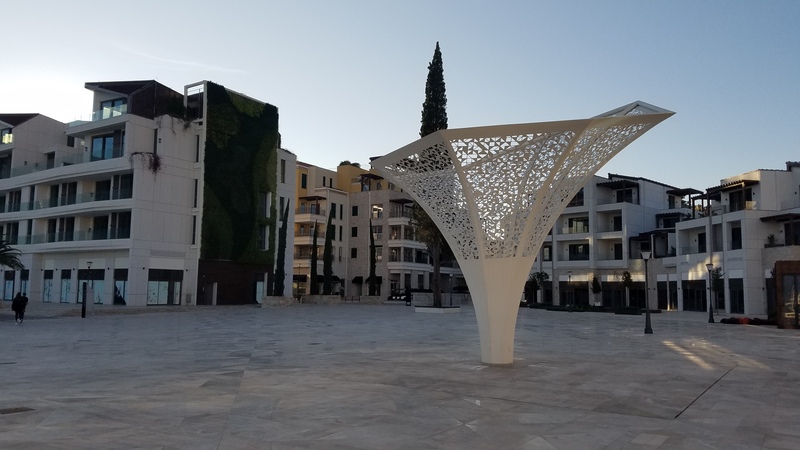
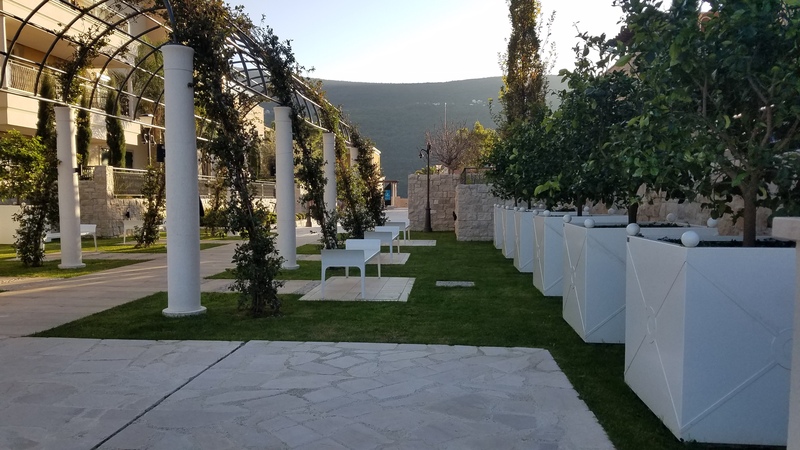
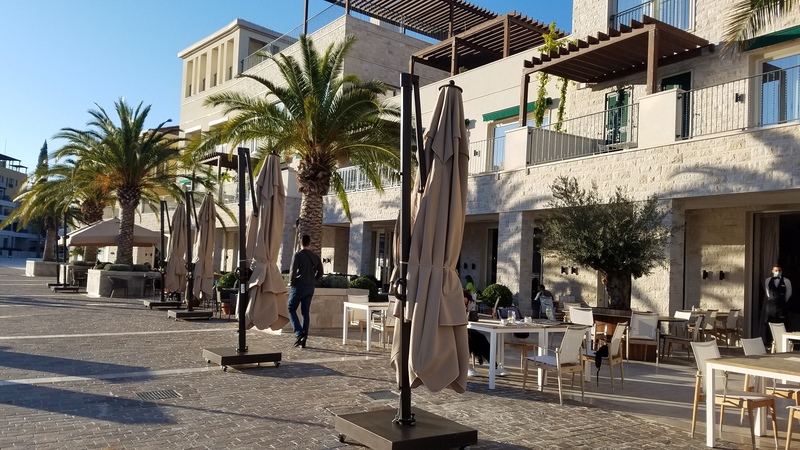
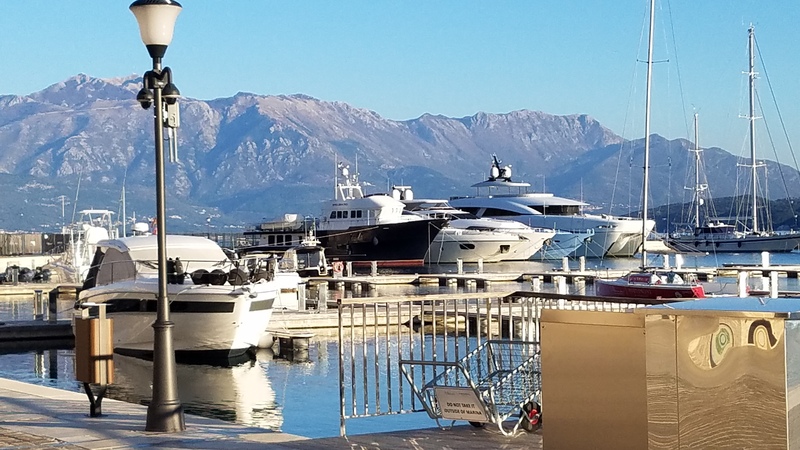
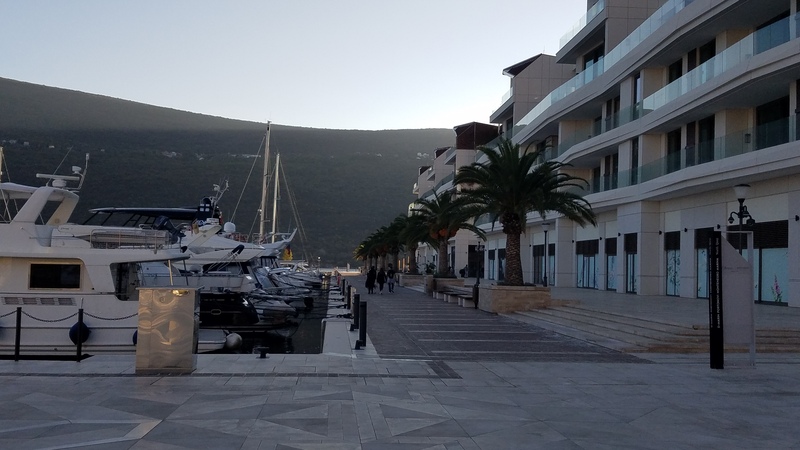
Right next door is the brand-new luxurious Marina de Porto Novi, where you can admire luxurious yachts and stroll through the streets among luxurious brand stores.
Perast
Perast and its baroque palaces
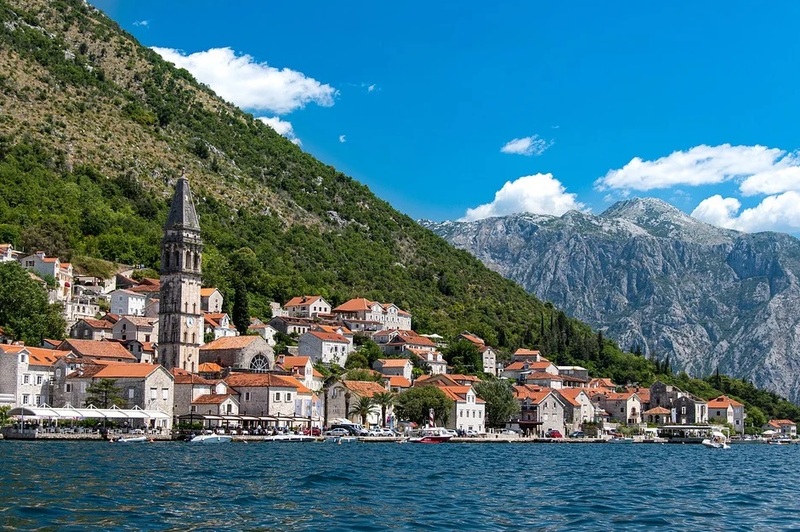
If you plan to drive along the Bay of Kotor, then a visit to the charming town of Perast is a must.
Located on the road from Herceg Novi to Kotor, this small village of shipwrights and fishermen will captivate you.
From 1420 to 1797, the village was under Venetian rule. The baroque architecture, numerous palaces, and churches bear witness to the Italian influence.
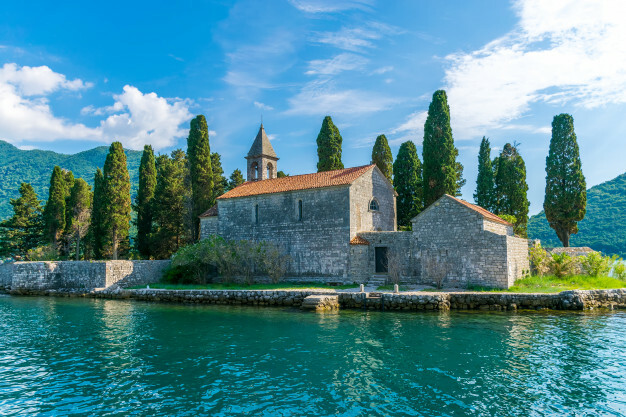
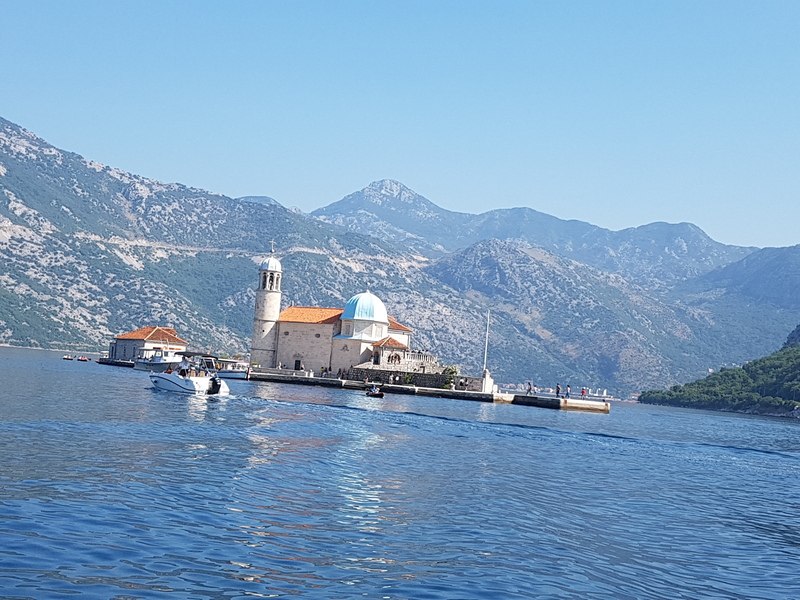
By the waterfront, you can enjoy a breathtaking view of the bay and the two islands facing Perast: the Abbey of Saint George surrounded by cypresses and the artificial island where the Church of Our Lady of the Rocks is located.
You can visit the Bujovic Palace housing the Maritime Museum of Perast and the Church of Saint Nicholas by taking a taxi boat to reach the two islets.
Kotor
The must-visit city of Montenegro, UNESCO-listed
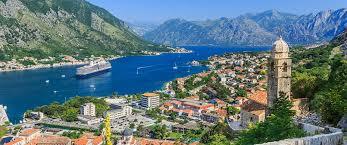
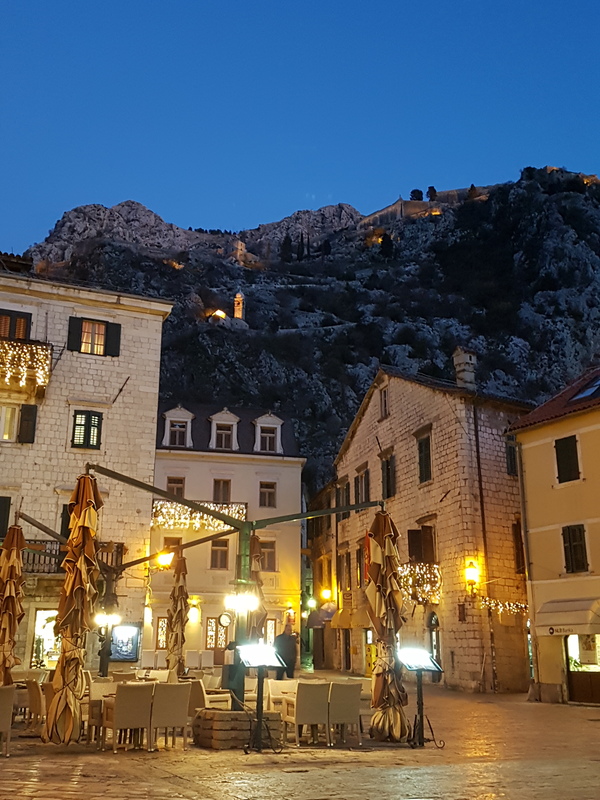
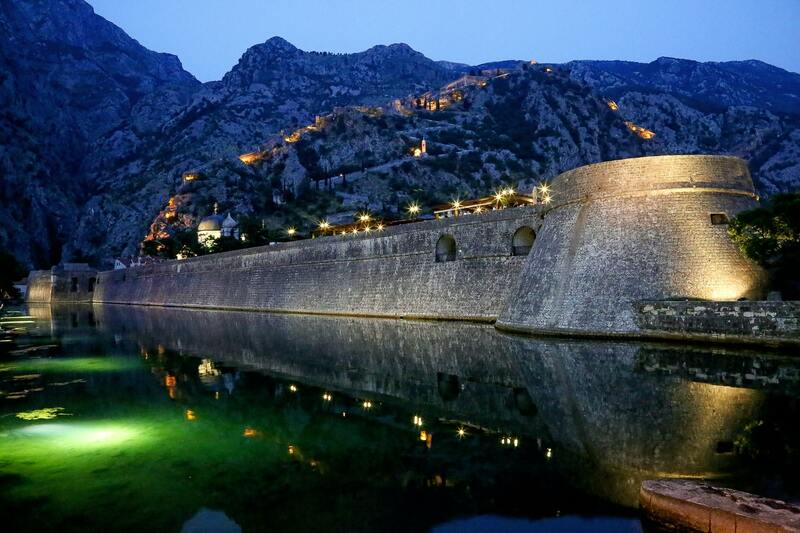
Just enter the old town of Kotor to understand why it is listed as a UNESCO World Heritage site and fall under its charm.
This small medieval town is surrounded by an impressive defensive fortification and boasts a unique heritage and an incomparable site.
For those with energy to spare, you can climb the 1426 irregular steps to the St. John Fortress. After a thirty-minute effort, you will be rewarded with an unparalleled view of Kotor and its bay that will leave you speechless!
Tivat
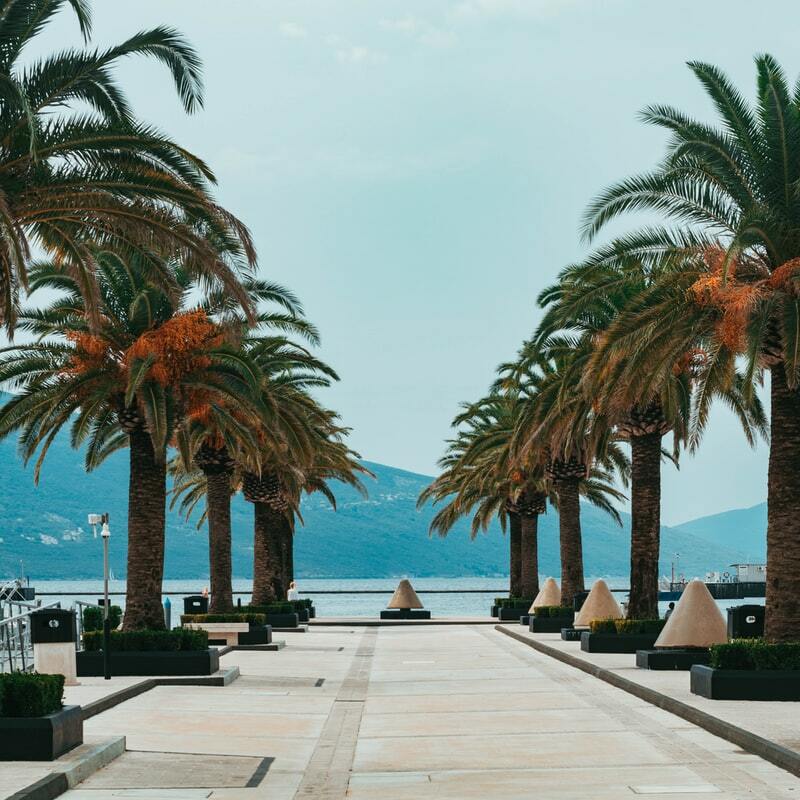
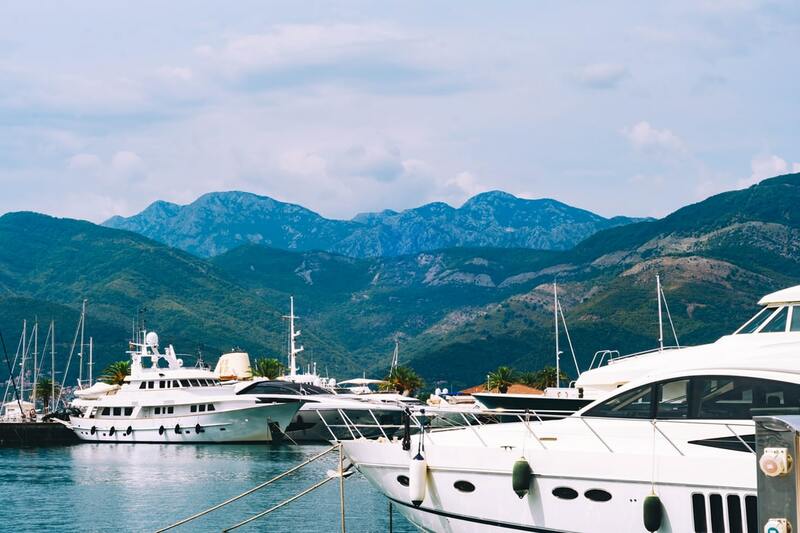
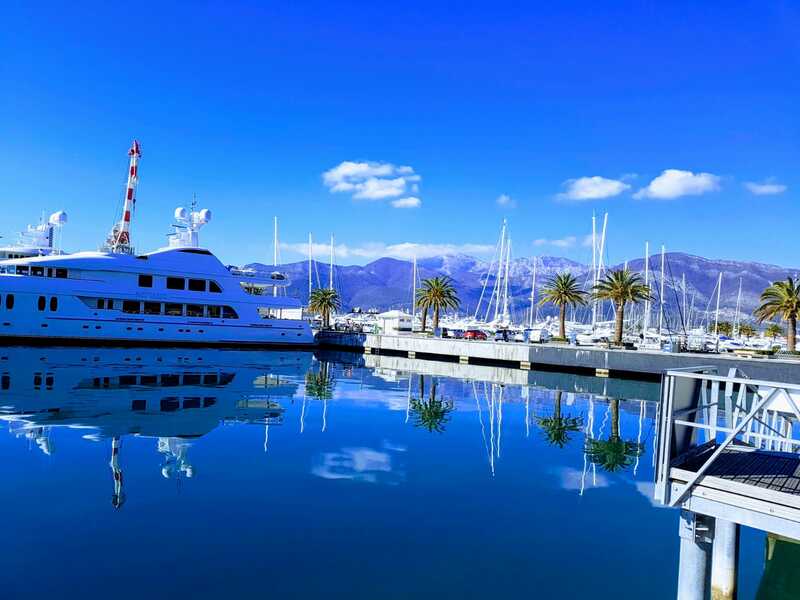
Tivat and its Porto Montenegro marina
In 1899, the Austrians built a naval arsenal, transforming the port into a small industrial town.
During the 20th century, this arsenal served as a construction and maintenance site for the Yugoslav Navy.
Upon the dissolution of Serbia and Montenegro, the new state of Montenegro inherited the war fleet and port facilities.
Finding no further use and lacking the means to maintain such a facility, it was sold to Canadian billionaire Peter Munk, who decided to build a marina called "Porto Montenegro."
Budva
Its citadel, beaches, and parties
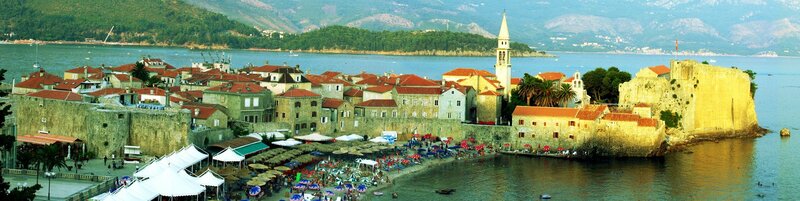
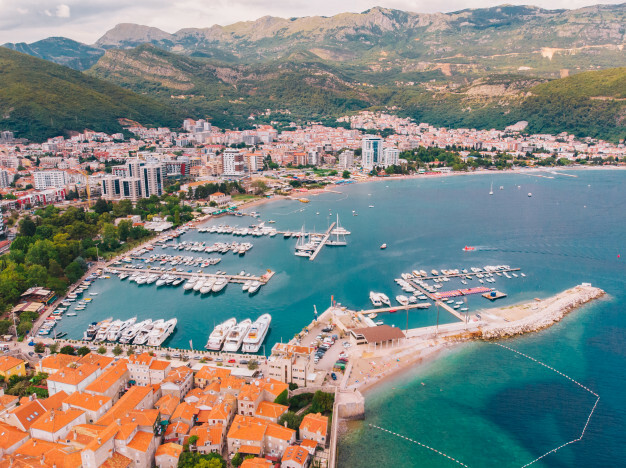
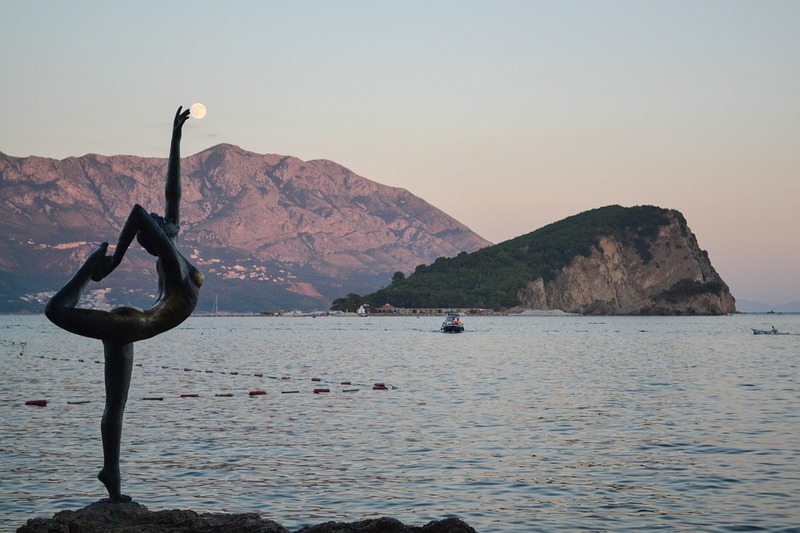
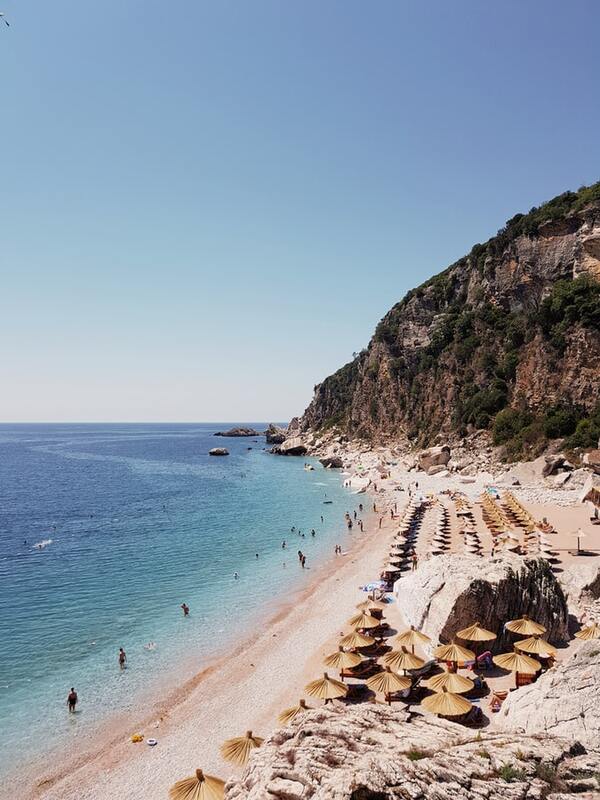
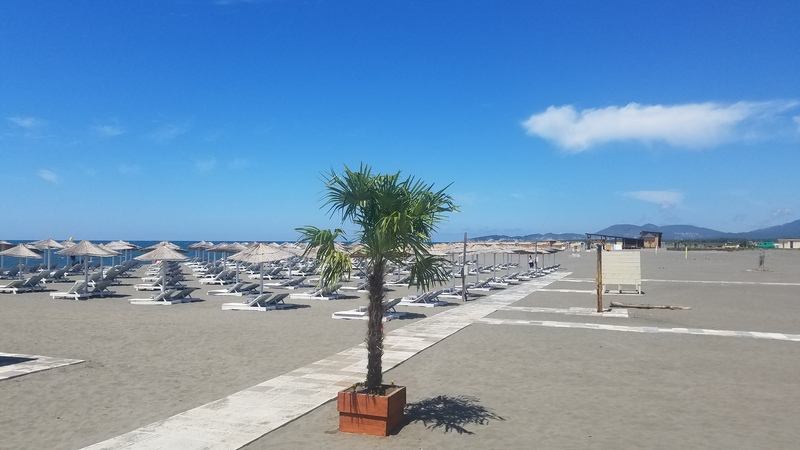
Budva is the seaside resort for sun lovers; lounging under straw umbrellas facing turquoise waters.
Budva is also known for its vibrant nightlife; partygoers will delight in the numerous bars and nightclubs.
But Budva is more than that; it is also one of the oldest cities in the Mediterranean. Fortified by the Venetians, occupied by the Illyrians, founded by the Greeks; it became a Venetian city for 3 centuries (1433 to 1797) following the split between the Eastern and Western Roman Empires, making it the southernmost city of the Republic of Venice.
The wide bay of Budva allowed massive urbanization from the time of Tito to today. But the old town has not lost its charm and is truly worth a visit.
Getting lost in the alleys of the citadel is an opportunity to discover the charm of this old town. If you climb to the top of the ramparts, you will enjoy an extraordinary view of the city rooftops and the island of Sveti Nikola.
You can also visit the church of San-Ivan, the Benedictine monastery of Santa Maria de Punta, and the Church of the Holy Trinity.
Near Budva, you will find beautiful beaches: Slovenska Plaza, Mogren, Jaz...
Budva is the destination for people wanting to party in a very pleasant setting.
Sveti Stefan
A pearl of the Adriatic coast turned private
On the road from Budva to Bar, you will come across Sveti Stefan.
Note that Bar is a port city where one of the 10 oldest olive trees in the world is recorded. Its age is estimated at 2100 years.
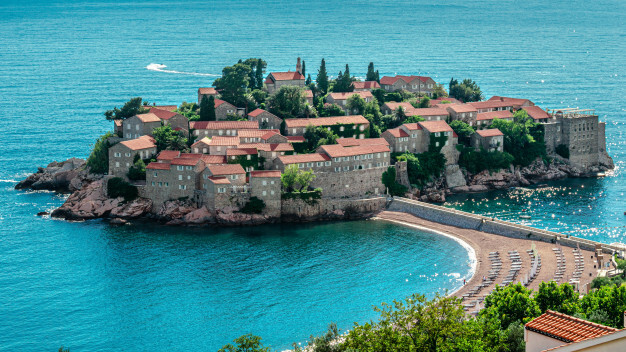
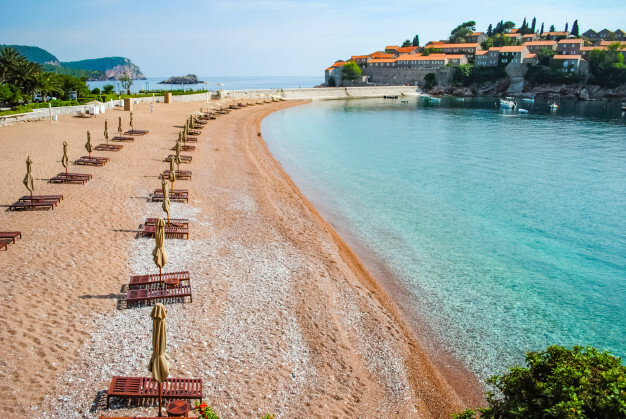
Sveti Stefan is a village located on a peninsula in the south of Montenegro. It is part of the municipality of Budva.
In 1890, this small fishing village had only three houses. Today, it has become a high-end hotel complex. Over the years, this peninsula has become a destination for wealthy individuals.
Ostrog Monastery
A must-visit location in Montenegro for heritage enthusiasts
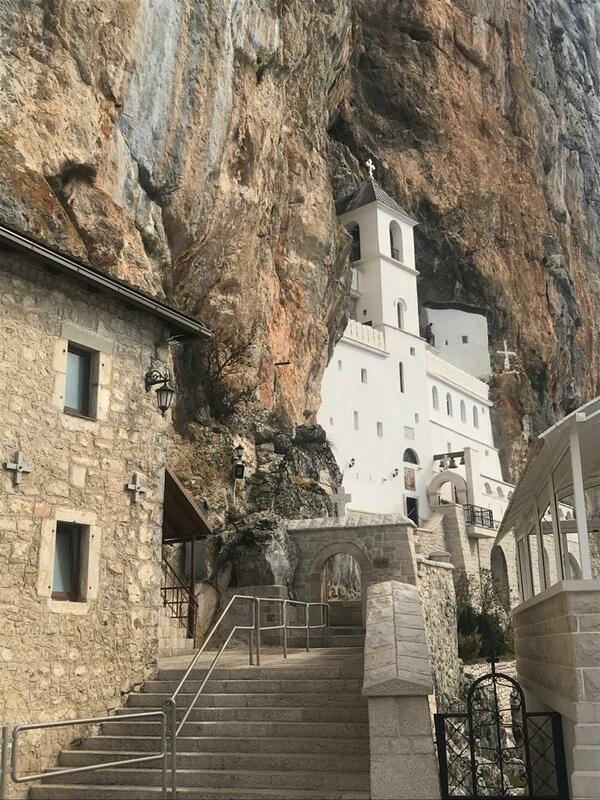
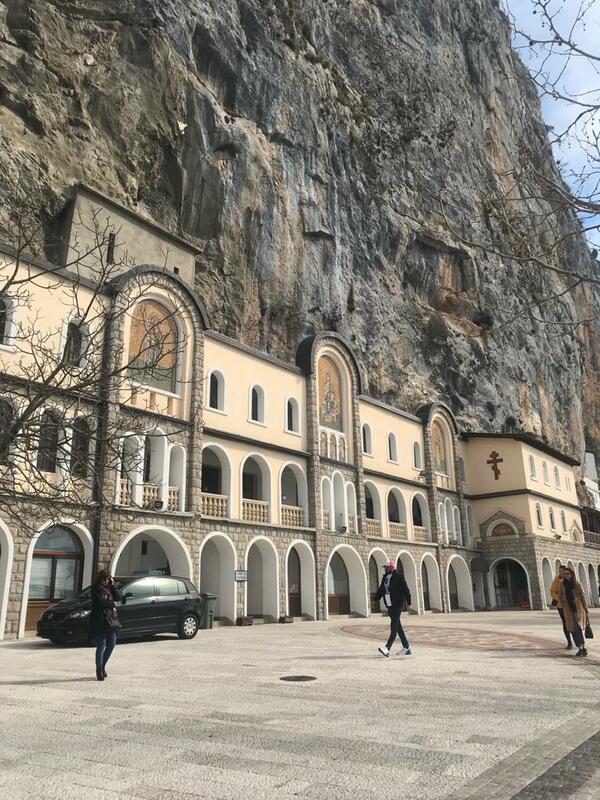
Carved into the cliff, the Ostrog Monastery was built in 1671.
This Orthodox monastery is one of the most visited monasteries in the Balkans. Believers from around the world visit, representing a meeting place for three faiths: Orthodox, Catholic, and Muslim. Here lies the remains of its founder, Archbishop Vasilije, known for miracles and healings.
Lovcen Passing through Cetinje
For nature park enthusiasts, mountains, and exceptional views
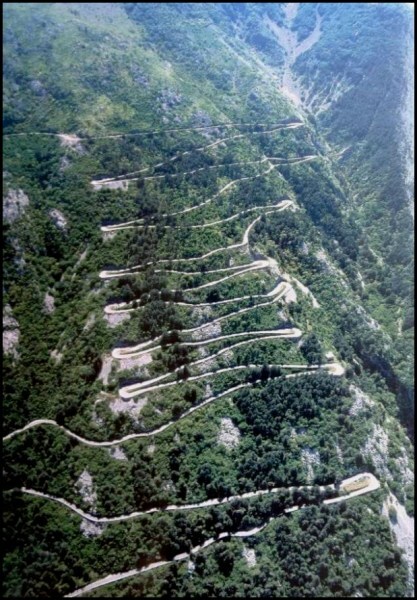
To reach Mount Lovcen, why not take the old road also called "the serpentine" with its thirty hairpin turns and 1060 meters of elevation?
Maybe a little scary at first, but it offers so many exceptional viewpoints that it's worth the detour.
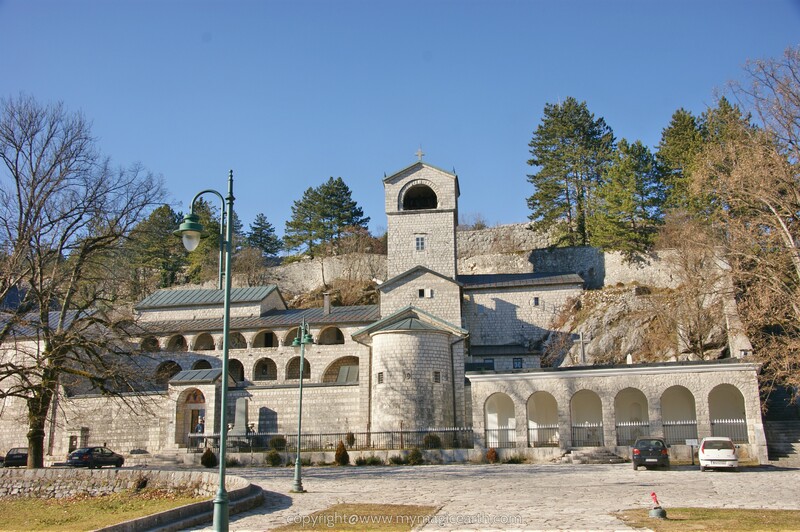
A few kilometers further, you will arrive in Cetinje (former historical capital of Montenegro).
Thanks to its various museums and numerous cultural objects, Cetinje has gained the reputation of a museum city that gives the city a unique atmosphere. To visit: Petar I Petrovic-Njegos Museum, Ethnography Museum, History Museum, Cetinje Monastery Museum, Electric Industry Museum.
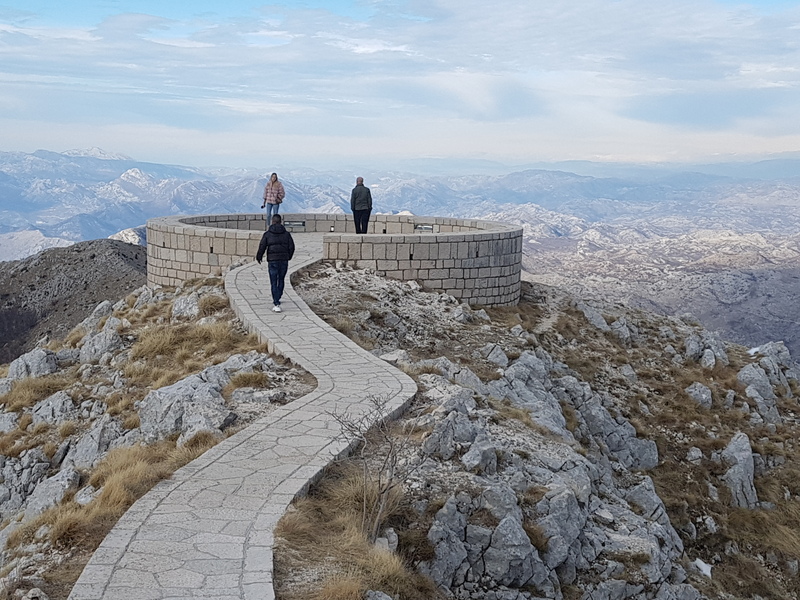
Continuing your journey, you will reach the Lovcen National Park. With an area of 64000 hectares, the park is full of unique flora and fauna that result from the combination of two climates: Mediterranean and continental.
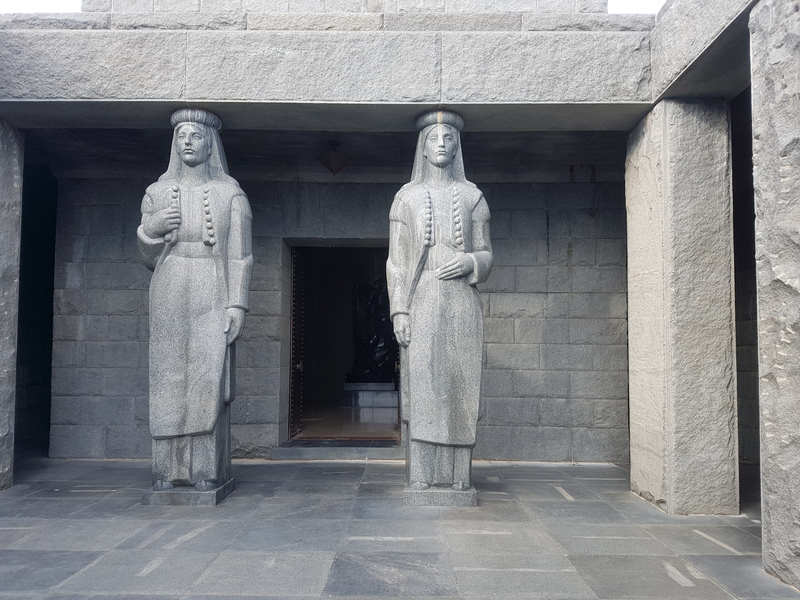
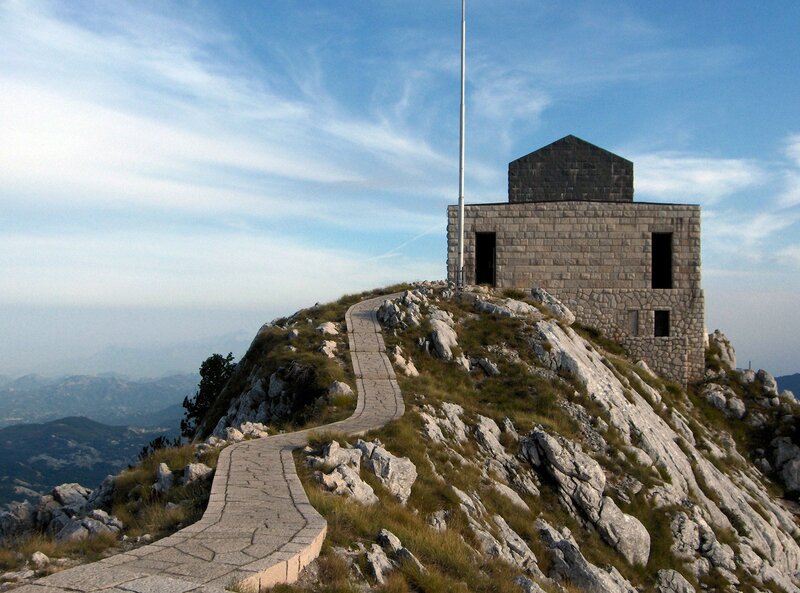
This site houses the mausoleum of Petar II, Petrovic Njegos, erected at an altitude of 1657 meters.
Durmitor
Intact and unique, you will discover the beauty and uniqueness of nature
Durmitor National Park is listed as a UNESCO World Heritage Site.
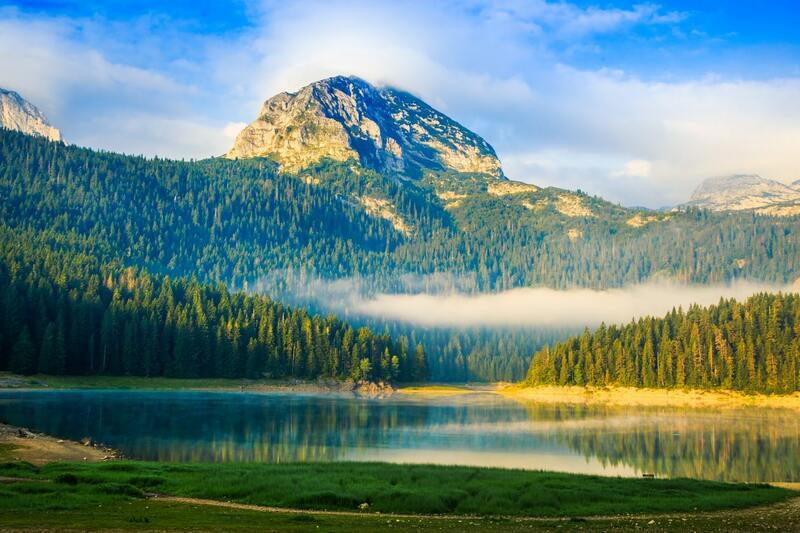
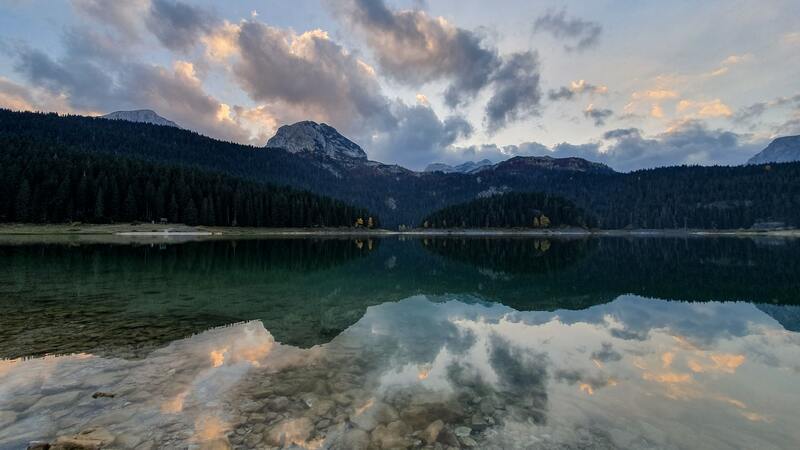
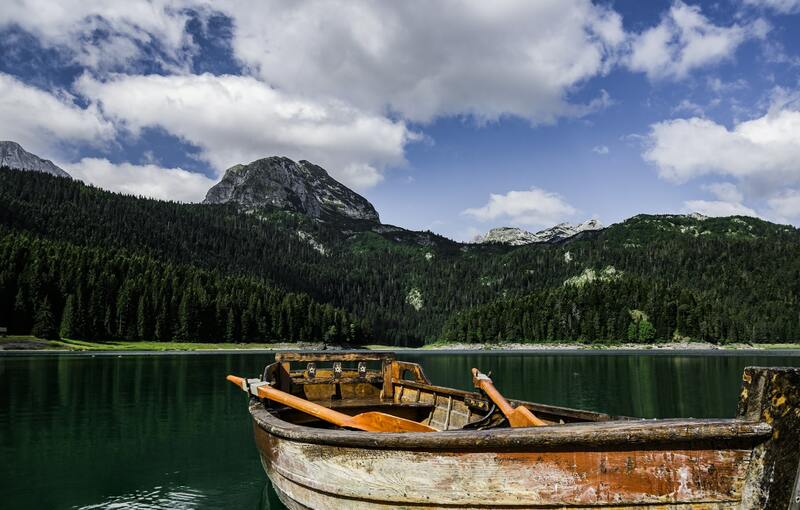
Located in the municipality of Zabljak, it covers an area of 39000 hectares and boasts no less than 18 glacial lakes, including Black Lake, the most famous and also the largest.
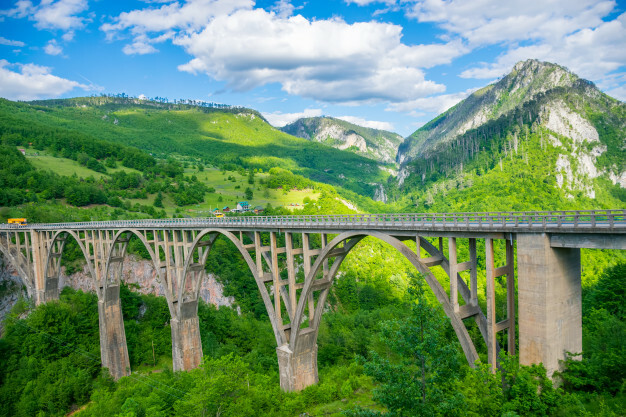
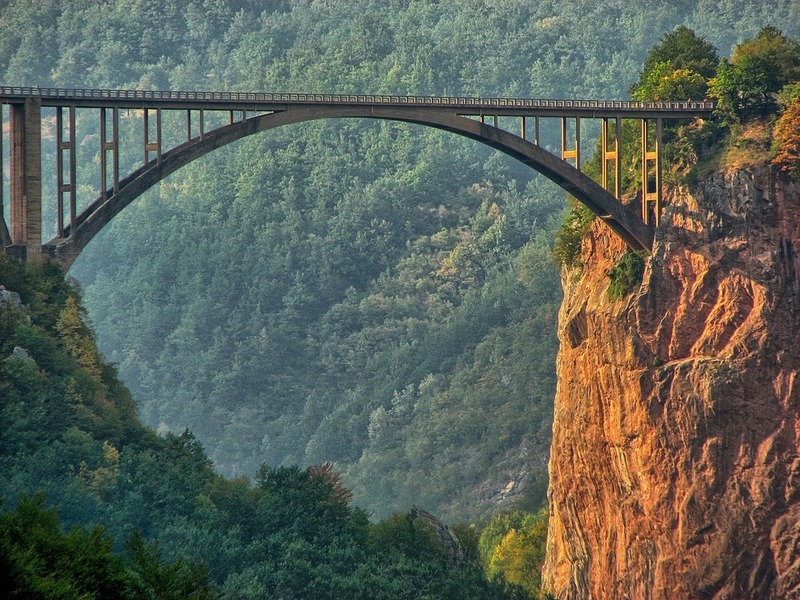
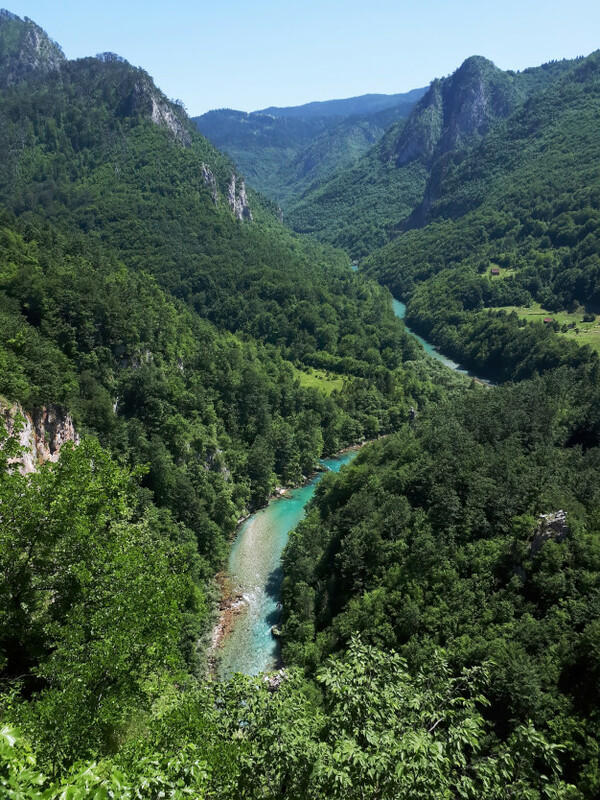
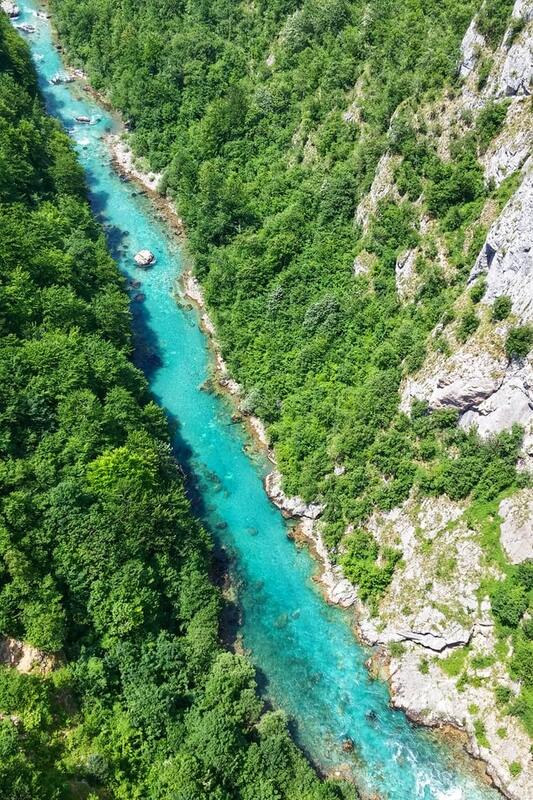
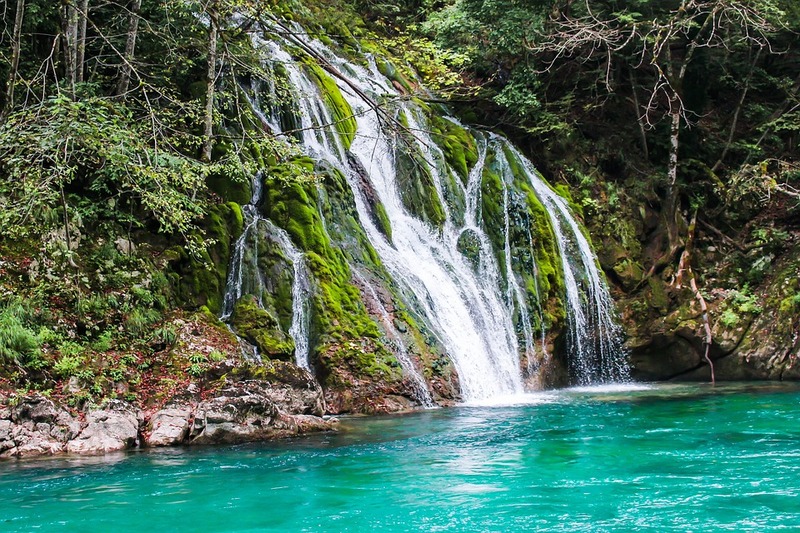
It mainly includes the Durmitor massif and the Tara Canyon, which is known to be the deepest canyon in the world after the Colorado (80 km in length and 1300 meters deep).
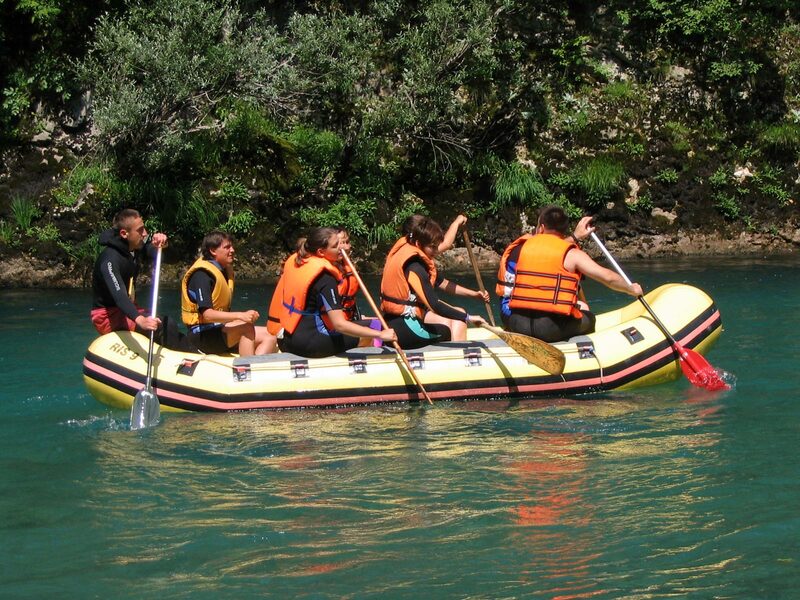
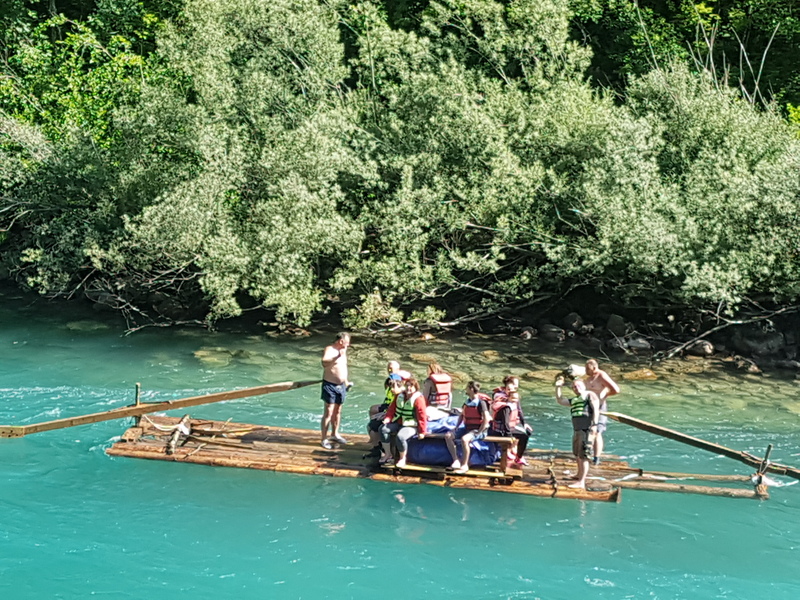
Canyoning and rafting are developed on the Tara.
For hiking enthusiasts, you can climb to Bubotov Kuk, reaching 2528 meters.
Various rivers flow through the park, including Komarnica, Susiska rivers to the west, and Draga to the east.
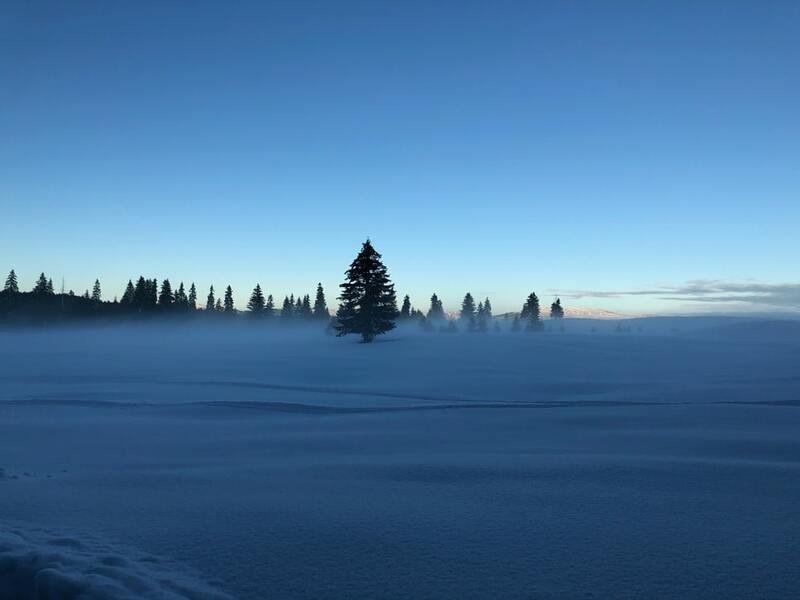
The Zabljak altitude resort offers some ski slopes and numerous accommodations for those curious to visit the Durmitor National Park.
The Zabljak tourist center is located in the northwest of the country. Its altitude of 1450 meters makes it the highest city in the Balkans.
Lake Skadar
The largest lake in the Balkans
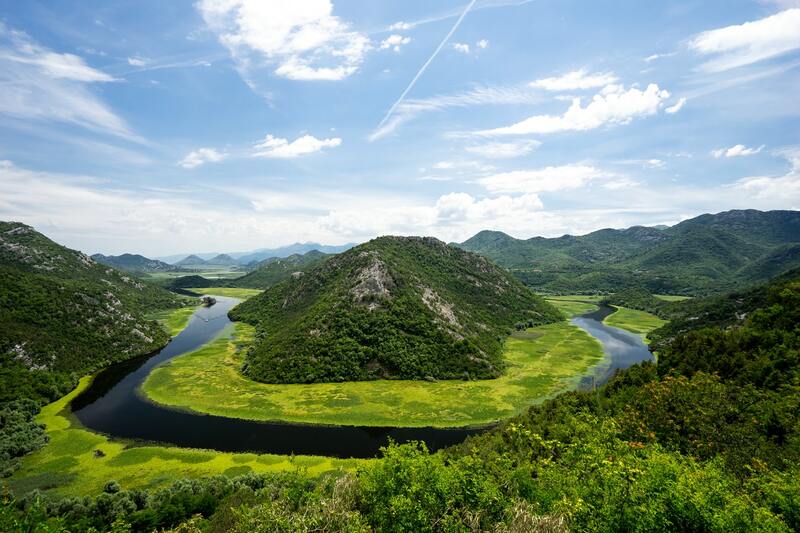
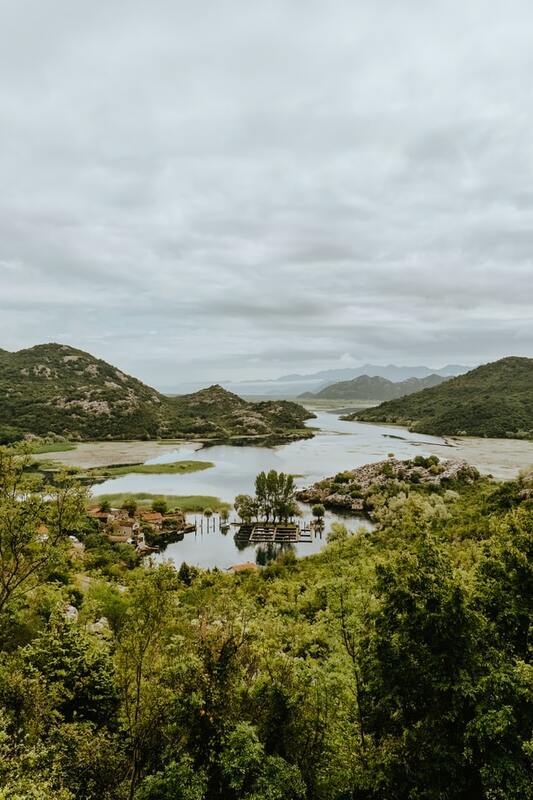
Lake Skadar is shared between Montenegro and Albania.
Its surface area can vary from 350 to 550 km², making it the largest lake in the Balkans. It also holds the distinction of being the largest ornithological reserve in Europe with 270 observed species.
It is the unique habitat of the pygmy cormorants, a species on the brink of extinction. The national nature park created in 1983 in the Montenegrin part covers 40,000 hectares, which is two-thirds of the total.
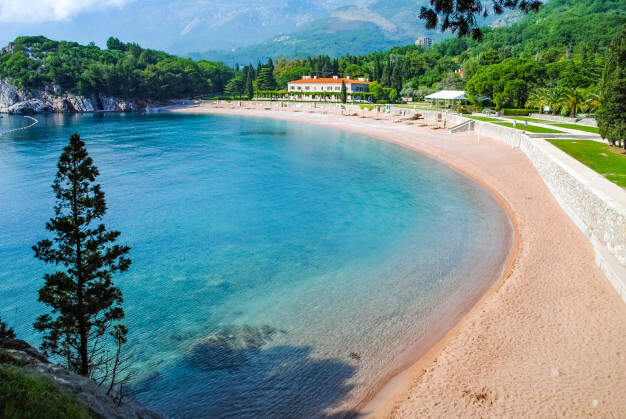
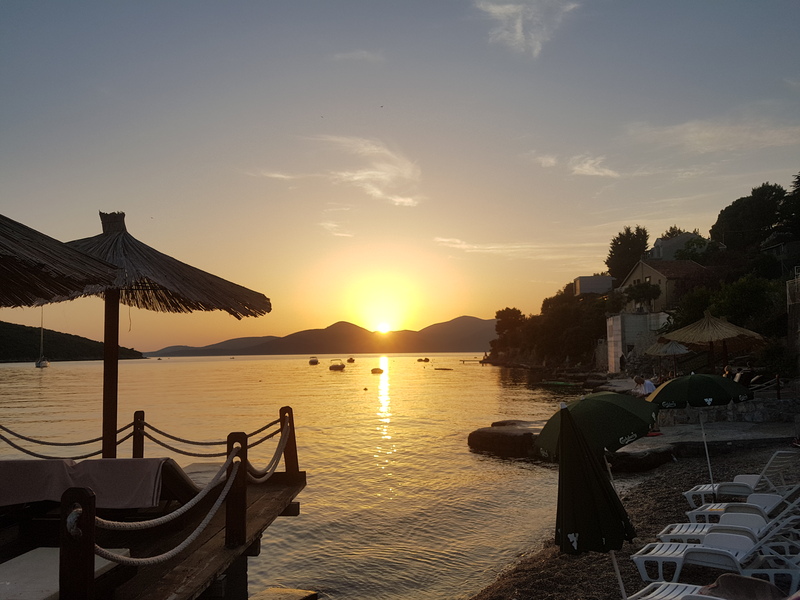
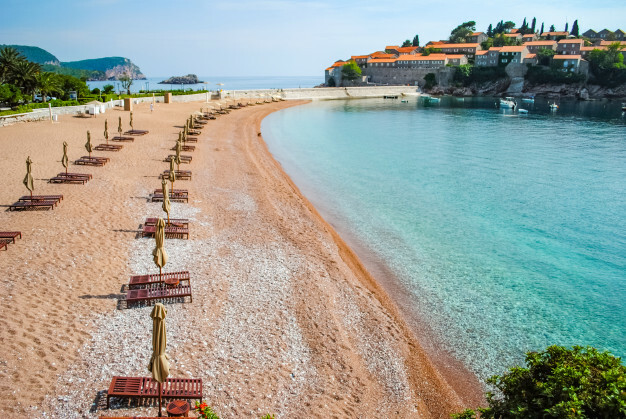
Montenegro Beaches
Herceg Novi
Igalo
Njivice
Zanjic
Lustica / Mamula accessible by boat
Budva
Jaz
Mogren
Ploce
Sveti Stefan
Petrovac
Lucica
Kraljicina
Buljarica
Bar to Ulcinj: Utjeha
Ulcinj: Velika plaza, the longest sandy beach in the Adriatic, 13 km
Ada Bojana 3 km away
Nudist beaches: Ada Bojana (border with Albania)
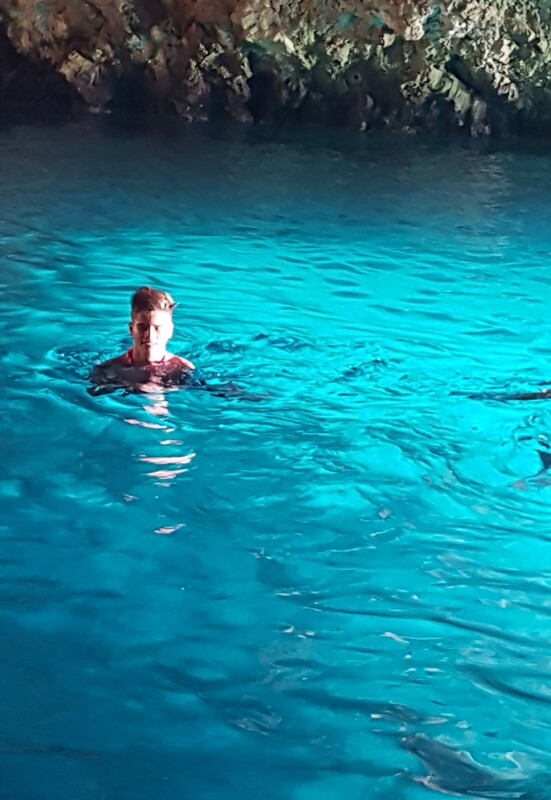
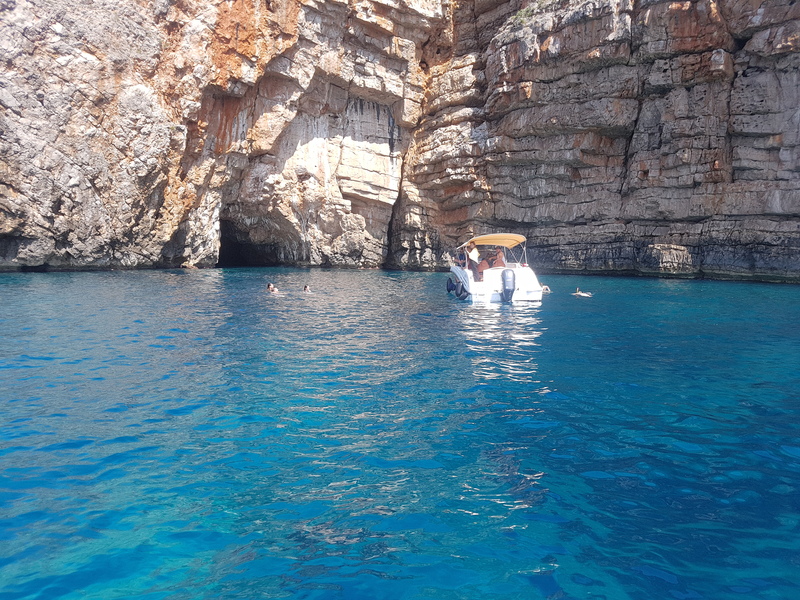
Blue Cave
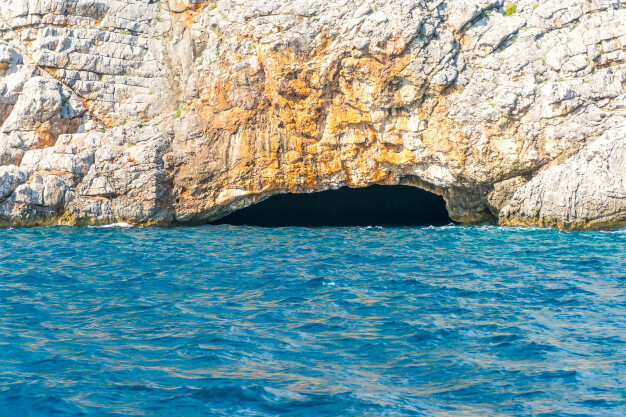
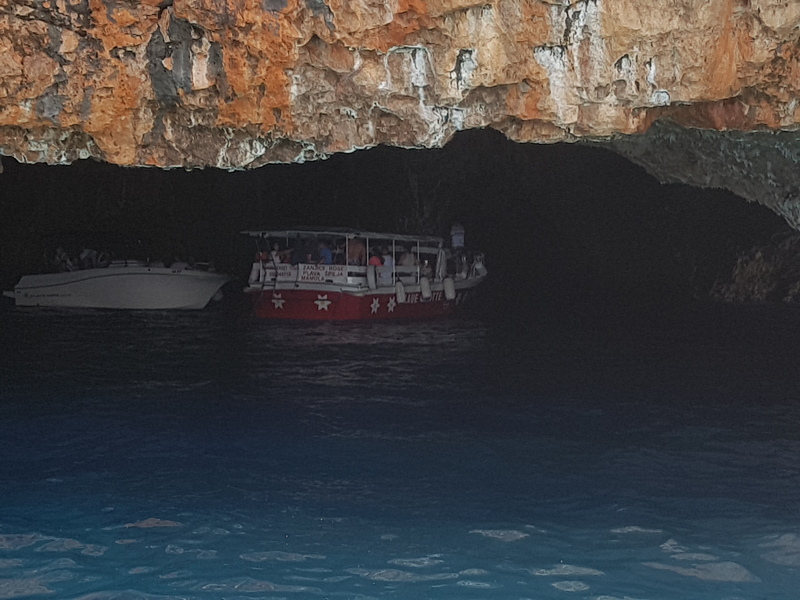
The Blue Cave: a beautiful place accessible only by boat (for a few euros).
An exceptional place where you can swim but without sandy beaches.
For Road Trip Enthusiasts
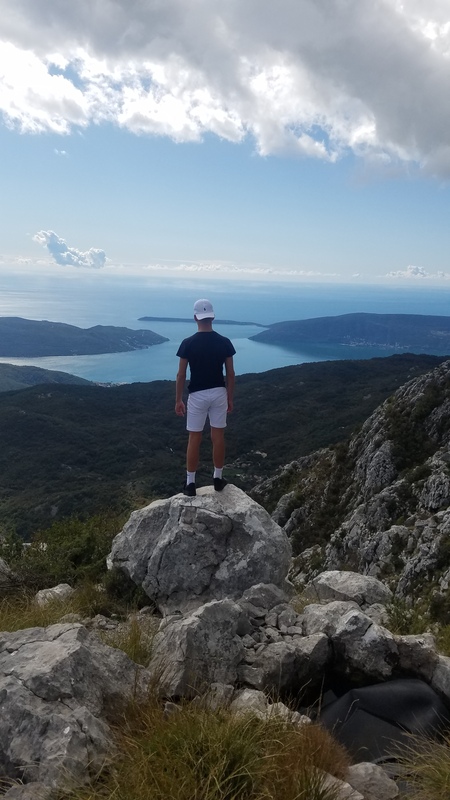
Montenegro is the perfect place for a road trip by car or motorcycle. Discover the Balkans' gem from a different perspective, through winding roads that always lead to breathtaking viewpoints!
Traveling in Montenegro
This small country promises an unparalleled and unforgettable journey
The Black Mountain (Montenegro), Montenegro, the pearl of the Balkans, so many names to describe this little jewel of the peninsula bordered by the Adriatic Sea: THE must-visit European destination!
On one side, turquoise sea, on the other, green or limestone mountains: a combination that promises magical color gradients.
Its Mediterranean sun, beaches, quality of life, historic cities, the friendliness of its inhabitants, and their attachment to traditions will delight you.