Montenegro today
Montenegro, today ...
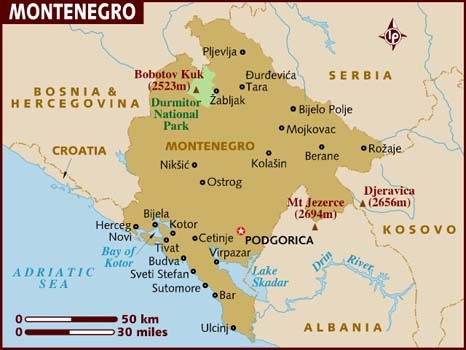
Covering an area of 13,812 km², Montenegro is just slightly larger than the Paris metropolitan area.
With a population of around 630,000 inhabitants, the population density is 45 people per km².
Population distribution is very uneven in the country due to its rugged terrain.
The capital, Podgorica, has a population of 170,000.
Some Data
Language: Montenegrin / Serbian
Religion: Orthodox (73%), Muslim, Catholic
Currency: Euro
Average temperature from May to September: 27.5 °C
Maximum temperature of the Adriatic Sea: 28 °C
Average sunshine: 260 days / year
Swimming season: 180 days
Adriatic color: turquoise
Telephone code: +382
Its National Parks
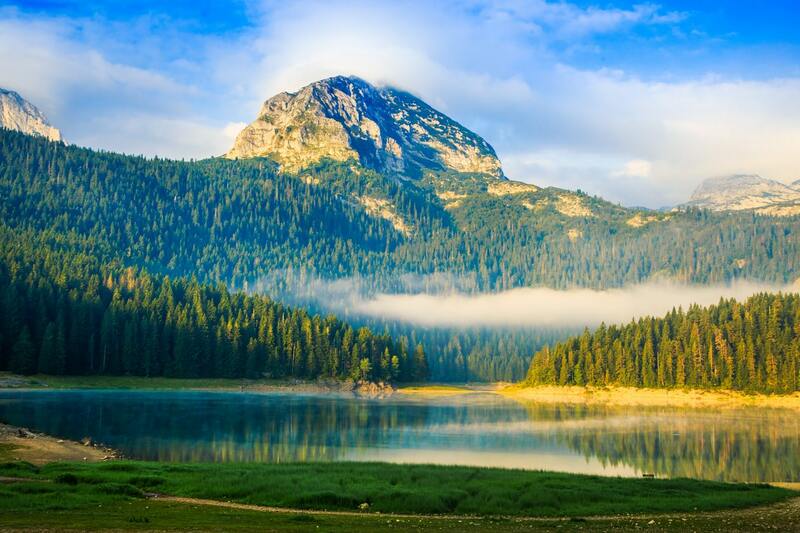
A small country with discreet charm, Montenegro stands out for its natural reserves. You'll find no less than 5 national parks:
- Durmitor National Park
- Lovcen National Park
- Biogradska Gora National Park
- Skadar Lake National Park
- Prokletije National Park
Its Cities
The country is divided into 21 municipalities. Organized around the main cities of Andrijevica, Bar, Berane, Bijelo-Polje, Budva, Cetinje, Danilograd, Herceg-Novi, Kolasin, Kotor, Mojkovac, Niksic, Plav, Pljevlja, Pluzine, Podgorica, Rozaje, SAvnik, Tivat, Ulcinj, and Zabljak.
It takes about 4 hours by car to traverse Montenegro from east to west, and 5 hours from north to south. Podgorica to Dubrovnik in Croatia takes about 3 hours and 40 minutes, whether you pass through Budva, Niksic, or Trebinje.
Its Climate
The country is influenced by two climates.
Continental climate inland characterized by large temperature differences between winter and summer, up to 30°C amplitude.
Mediterranean climate on the Adriatic coast characterized by dry and hot summers, followed by mild winters, offering a landscape of scrubland and maquis adorned with olive trees, vines, citrus, and fig trees.
Adriatic Coast and Bay of Kotor:
Summer season from April to November.
April, May, mid-September, October: 24 °C.
June, July, August: 32 °C
Mountain, Durmitor, Biogradska Gora:
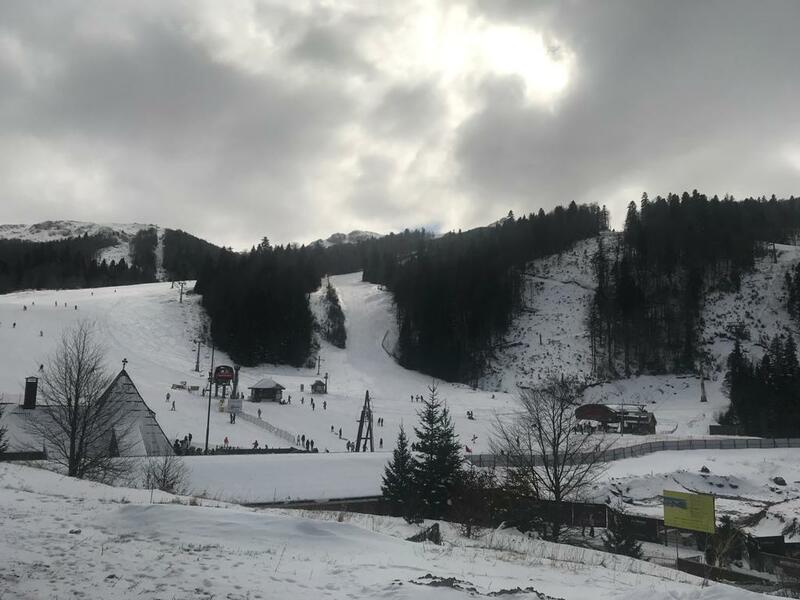
Zabljak and Kolasin ski resorts (small resorts) open from December to March.
Hiking can be done from April to November.
June, July, August, September: 22 °C during the day, 13 °C at night
Its Coast, Islands, and Beaches
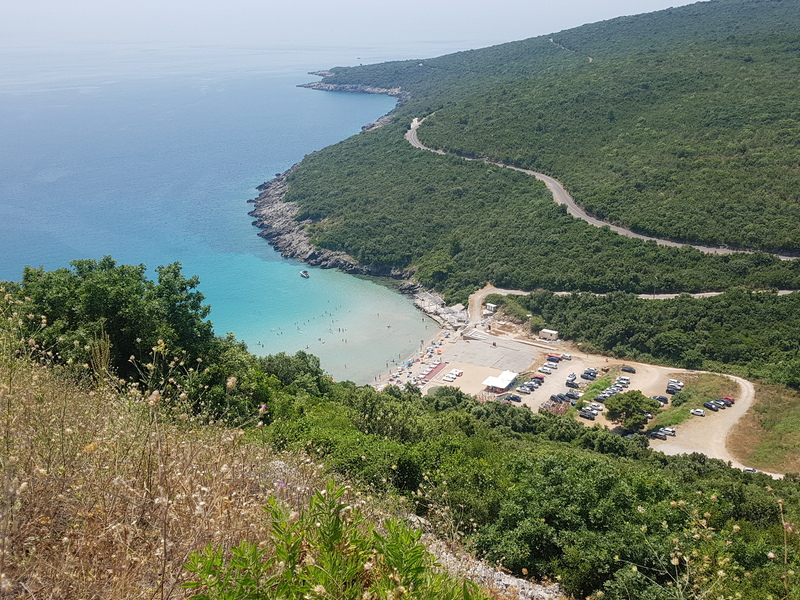
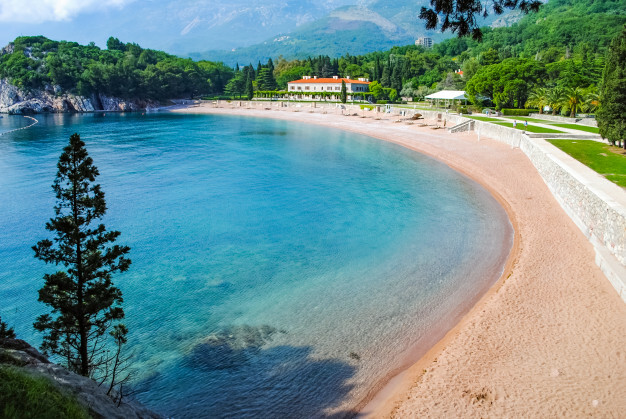
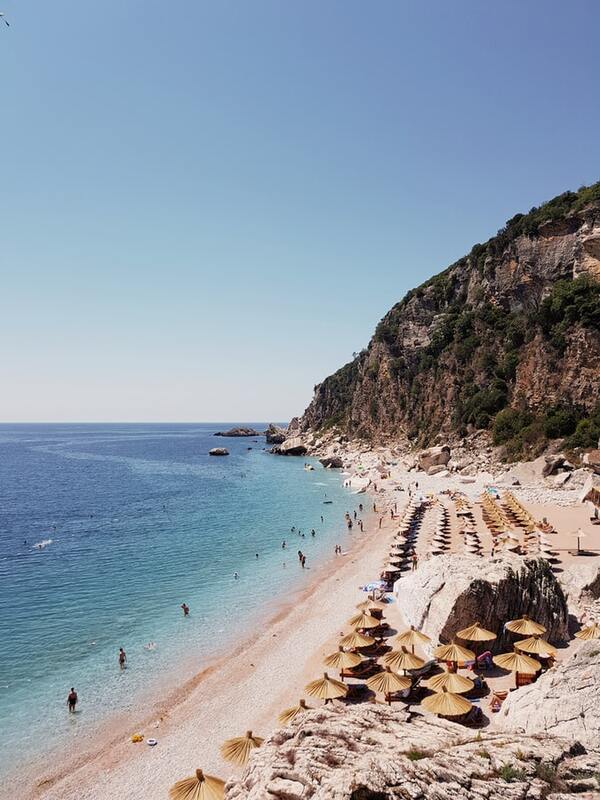
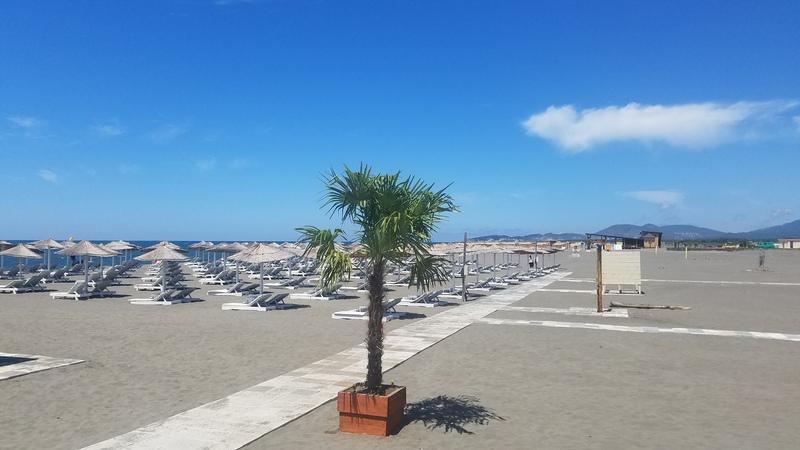
On the 293 km coastline, 117 beaches stretch over a total area of 72 km.
The Montenegrin coast offers a multitude of breathtaking places, islands, coves,
sandy or pebble beaches, fortified cities...
Its Mountains
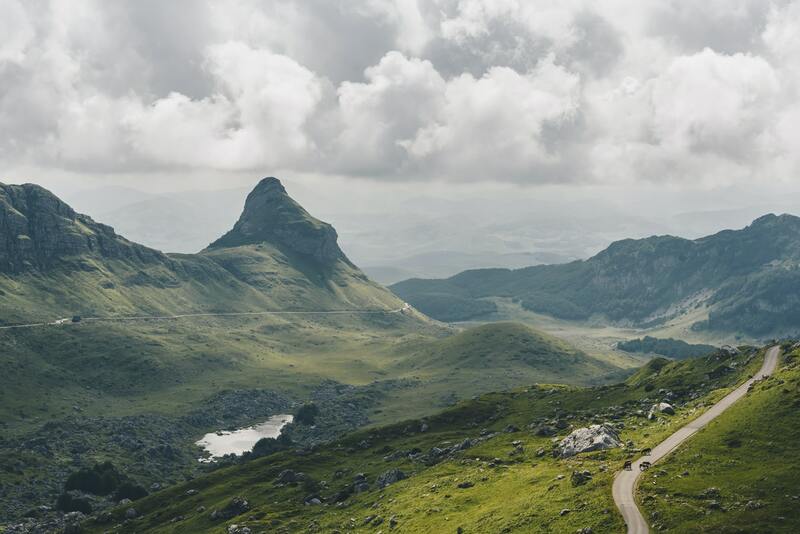
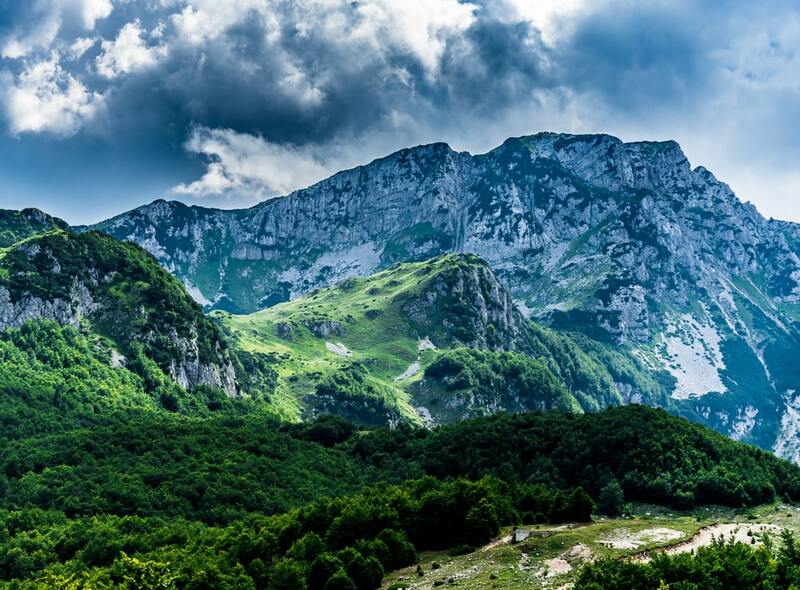
Montenegro is located in the Dinaric Alps. The Dinaric Alps, oriented Northwest/Southeast, are geologically connected to the Alpine system. The eastern end of the Alpine arc, it is in Slovenia that the Dinaric Alps join the Alps along the Adriatic coast. They stretch for about 650 kilometers in length and 200 kilometers in width.
They traverse a total of 7 countries: Slovenia, Croatia, Bosnia and Herzegovina, Montenegro, Serbia, Kosovo, and Albania.
Montenegro has about 70 peaks exceeding 2000 meters above sea level. Zabljak, located in the Durmitor National Park, stands at an altitude of 1450 meters, making it the highest town in the Balkans.
From Natural Heritage to Cultural Heritage
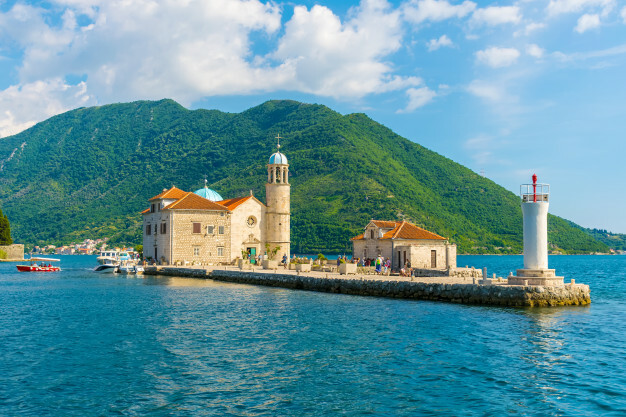
Between mountains and sea, there are picturesque historic villages, Venetian cities, the magnificent Herceg-Novi to Tivat route, islands, fortresses, and stunning natural and architectural heritage.
Since 1979, the Bay of Kotor has been listed as a UNESCO World Heritage Site.
Activities
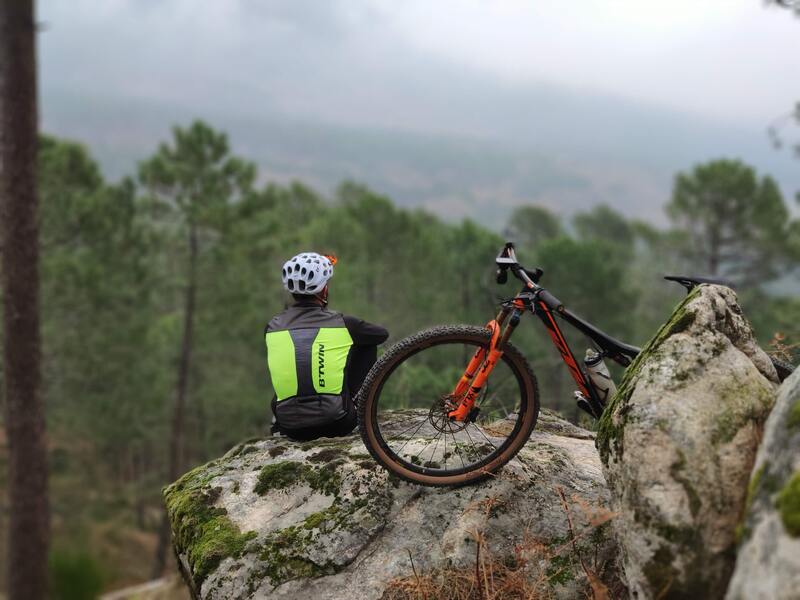
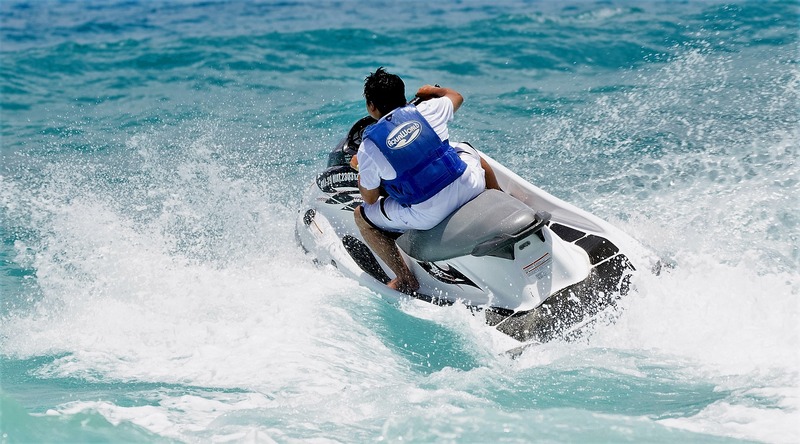
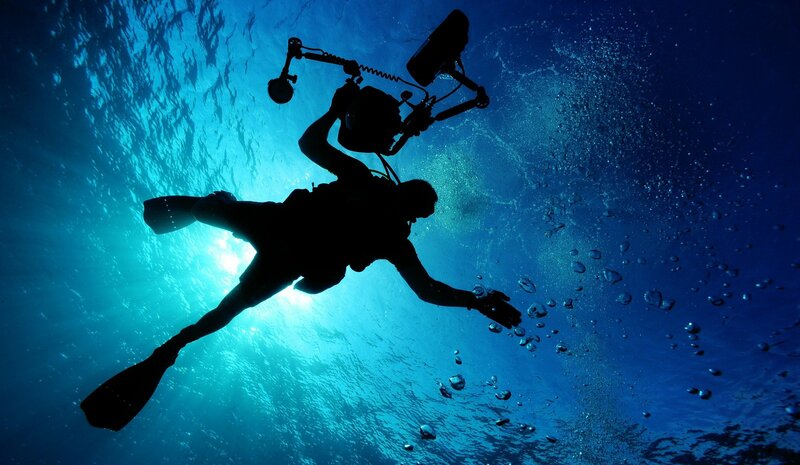
More sporty vacationers can spend their time hiking, kayaking, mountain biking, diving, jet skiing, paragliding, kitesurfing, canyoning, rafting, etc.
Sun and relaxation enthusiasts will find their happiness on the numerous sandy or pebble beaches and also some jetties.
Montenegrin Gastronomy
The cuisine and products are of very high quality in Montenegro. Short circuits are usually favored.
In restaurants, you can eat cheaply, between €3 and €10; local meat and fish cuisine between €8 and €24, and gourmet cuisine from €30.
Here, tipping is strongly advised (about 10% of the bill). Often local mountain restaurants offer reasonable prices and are often the best.
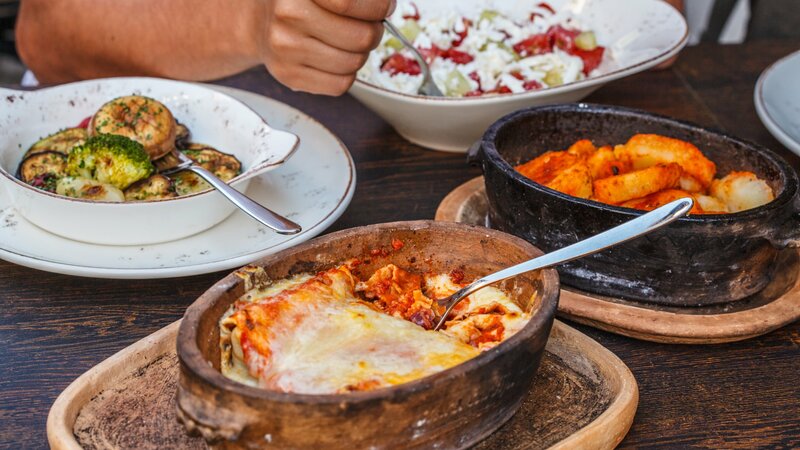
The Balkan cuisine mixed with Mediterranean cuisine gives it quite a diverse gastronomy. There are plenty of good pizzerias, traditional local cuisine restaurants, as well as seafood and fish restaurants, and of course, quality vegetables cooked in olive oil. Fruits and vegetables taste good in Montenegro!
Must-Try Local Specialties
Burek: the "Montenegrin" sandwich consisting of a puff pastry base filled with meat, cheese, potatoes, or even spinach.
Kajmak: half-butter, half-cream, kajmak is a curdled milk cream used as a composition for dishes or cooking.
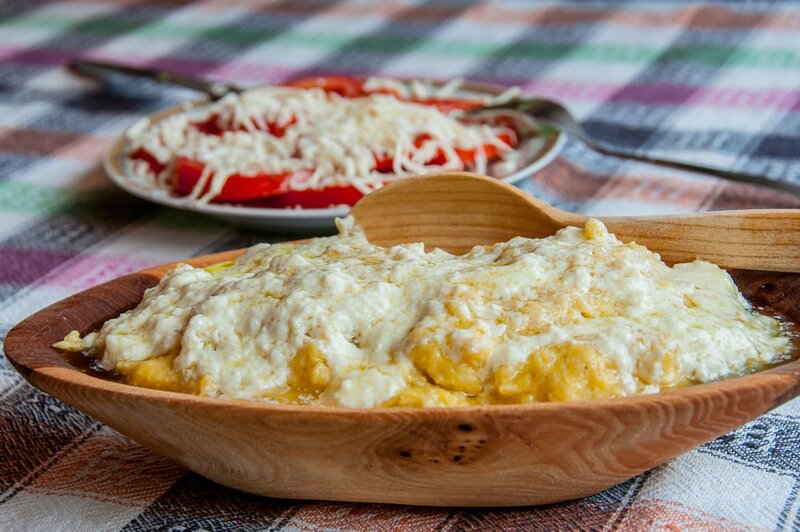
Kacamak: a mixture of mashed potatoes, cornmeal, kajmak, and cheese.
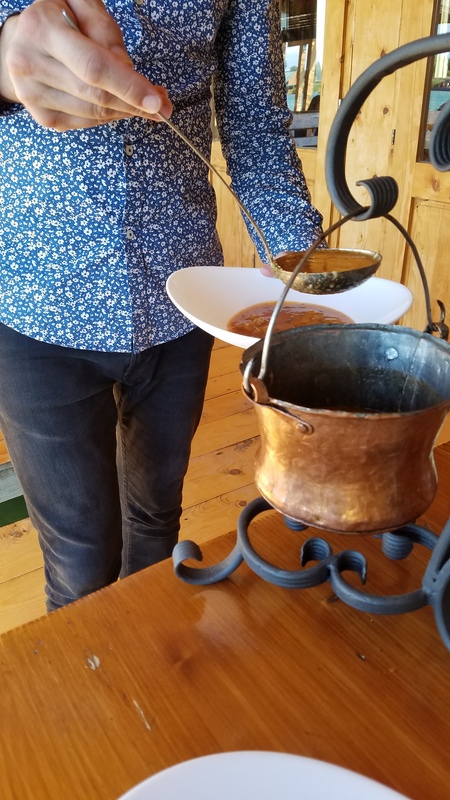
Rastan: simmered cabbage pot with carrots, potatoes, smoked bacon, and traditional sausages.
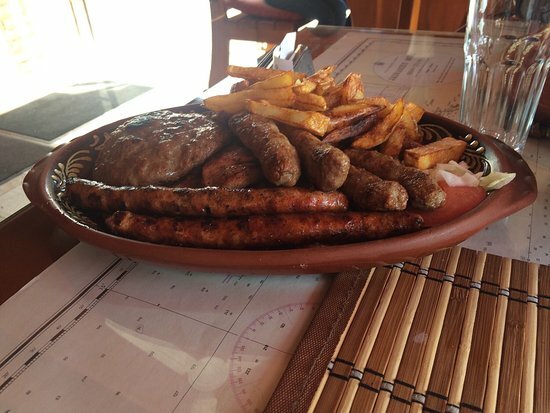
Cevapcici: minced meat fingers mixed with onions.
Prsut: traditional smoked ham.
Njegusi steak: pork cutlet breaded with cheese and smoked ham.
Karadjordje schnitzel: veal or pork schnitzel breaded and filled with kajmak.
Sarma: cabbage leaves stuffed with minced meat and rice.
Mister: cow or sheep cheeses (prijo).
Sopska Salad: accompaniment to dishes, tomatoes, cucumbers, peppers, cheeses.
Desserts: numerous cakes, pancakes, bklavas (puff pastries with nuts and olive oil), and trilece.
Montenegrin Wines Are Also Very Enjoyable
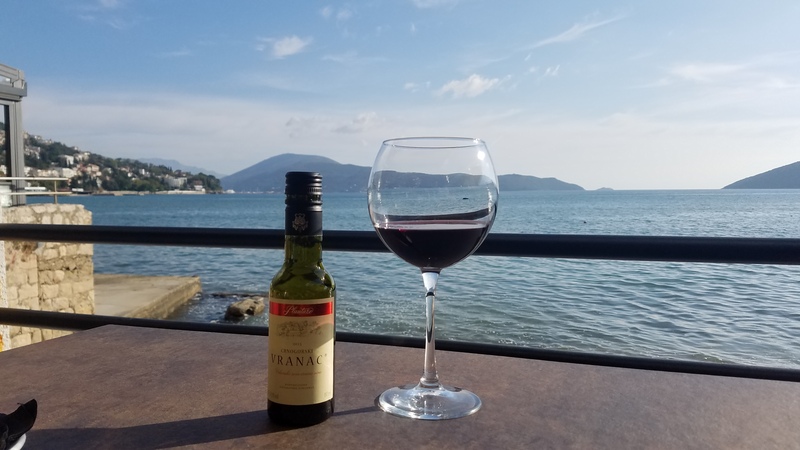
Among the reds, we recommend the local grape variety: Vranac Pro Corde, and among the whites, Krstac (dry white wine).
Montenegrin beer Niksicko Pivo is good, light, and refreshing.
Rakia is often a local brandy, with pear Kroska, plum Sljivovica, or grape Loza flavors.
Rakia is a true ritual in the Balkans. It will be offered to accompany coffee.
A Bit of Vocabulary...
Hello: Dobar dan
Good evening: Dobro vece
Good night: Laku noc
Goodbye: Dovidenja
What is your name? Kako se zovete?
My name is...: Zovem se...
Nice to meet you: Drago mi je
How are you? Kako ste?
Well, thank you: Dobro, hvala
Please: Molim
Thank you: Hvala
Yes: Da
No: Ne
Excuse me: Izvinite
I am French: Ja sam Francuz (Francuskinja)
Do you speak English? Govorite li engleski?
How much?: Koliko?
The menu, please: Jelovnik, molim vas